Using Data and Evidence to Create a Healthier River
When people think about river conservation, they often picture volunteers working along a riverbank; restoring habitats and nurturing greenspaces.
But before any of that happens, there’s an important question to answer.
How do we know what’s wrong? Where should we focus our efforts? And how do we know if our work is making a difference?
The answer is data and evidence!
At Ribble Rivers Trust, science underpins everything we do. Every project, from tackling pollution to improving fish passage, begins with understanding what’s happening in a river and why. By collecting data on river health before, during, and after a project, we can ensure that our work delivers real and measurable benefits for rivers, wildlife, and communities.
Why science matters
Rivers are incredibly complex systems. What happens on a hillside can affect a beck miles downstream, and a problem in one part of a catchment can have consequences throughout the wider river network.
Without evidence, conservation becomes guesswork.
Science allows us to understand the challenges our rivers face, identify their causes, and target action where it will have the greatest impact. It also helps us demonstrate that the projects we deliver are working and that time, effort, and funding are being invested where they are needed most.
That’s why Ribble Rivers Trust has specialists in fisheries, ecology, geomorphology, hydrology, habitat restoration, and environmental data. Their knowledge and experience help us build a detailed picture of river health across the Ribble catchment.
Understanding the problem
Every project starts with gathering evidence.
Before we begin work, our teams collect data to understand the current state of the river health and establish a ‘baseline’. A baseline tells what the river is already like, what is working well, and whether there are any issues.
Sometimes that means surveying fish populations to understand whether species such as Atlantic salmon and brown trout are struggling to reach important habitats.
In other cases, we might monitor riverflies and other aquatic invertebrates, whose presence can provide valuable clues about water quality and habitat condition.
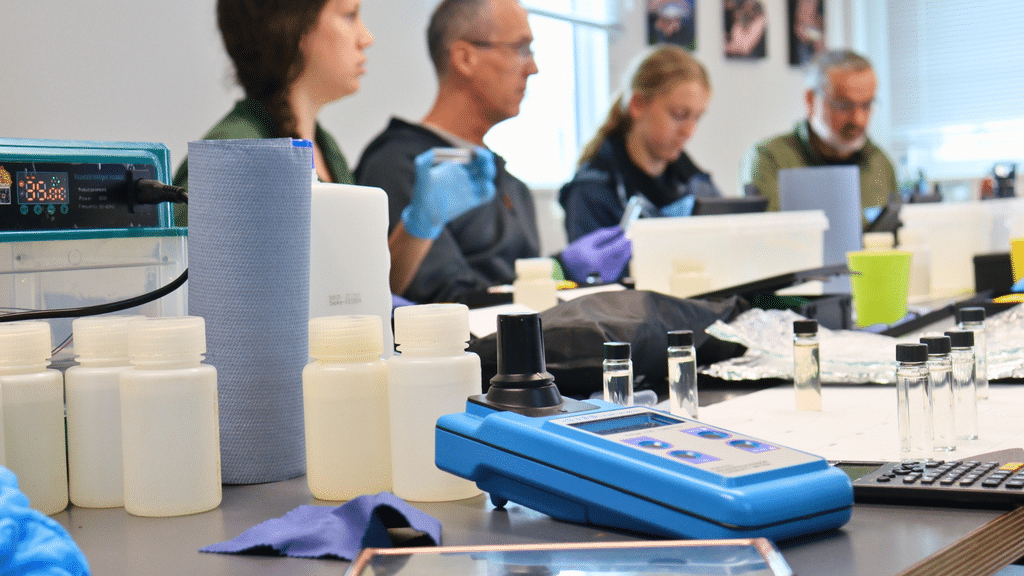
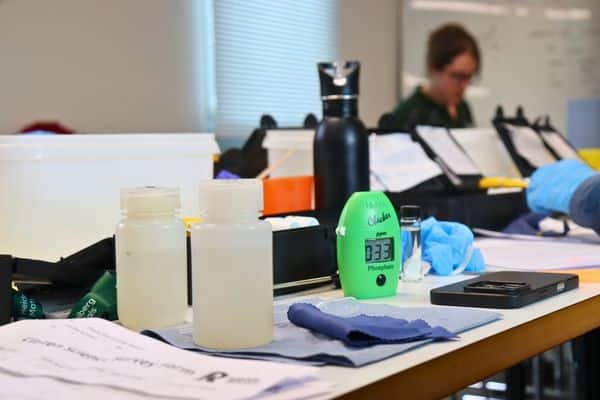
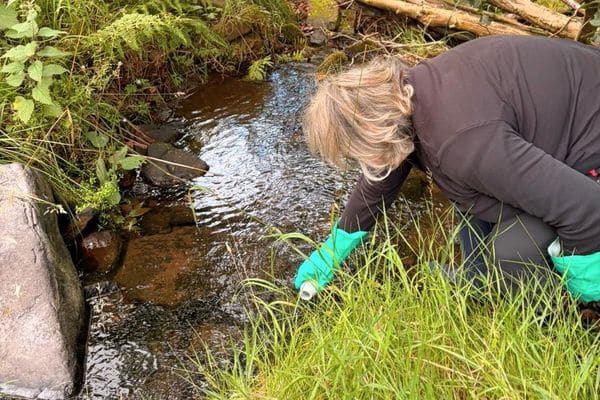
Water sampling also plays a vital role. By analysing factors such as nutrient levels, sediment, conductivity, pH, temperature and dissolved oxygen, we can identify pollution issues and better understand the pressures affecting a river.
But rivers don’t exist in isolation. The surrounding landscape tells an important story too.
Our teams assess habitat quality, record invasive non-native species, measure river characteristics such as depth and width, and collect information about how water moves through the wider catchment.
Seeing the bigger picture
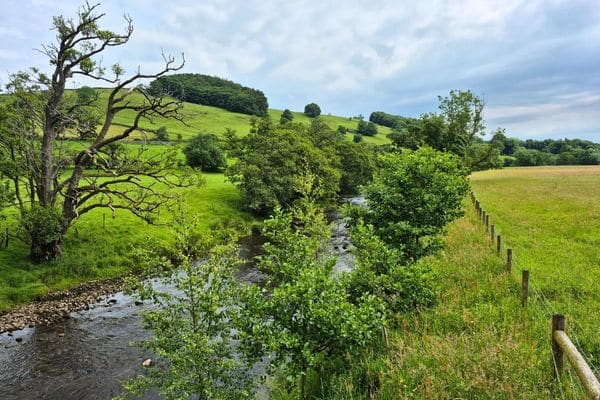
Much of this information is brought together using Geographic Information Systems, or GIS.
It’s a complex bit of software. But to put it simply, GIS as a way of layering lots of data on top of a map to create a visual picture of river health.
We can combine river networks with elevation data, rainfall patterns, land use, known pollution sources, habitat quality, barriers to fish migration, invasive non-native species, soils and erosion, woodland cover, flood risk, overland flow routes, infrastructure, and much more.
Looking at these datasets together helps us understand how different parts of the catchment are connected and where intervention is likely to deliver the greatest benefits.
For example, GIS can help identify where water is rapidly running off hillsides, where sediment is likely to be entering rivers, or where habitat improvements could reconnect wildlife across the landscape.
So, instead of treating symptoms, we can tackle problems at their source.
Measuring success
Collecting evidence doesn’t stop when a project begins.
Throughout delivery, we continue monitoring sites to make sure our work is having the intended effect. This helps us understand whether a new wetland is storing water effectively, whether fish are benefiting from improved river connectivity, or whether habitat restoration is increasing biodiversity.
Monitoring allows us to adapt too. If something isn’t working as expected, we can respond quickly and refine our approach.
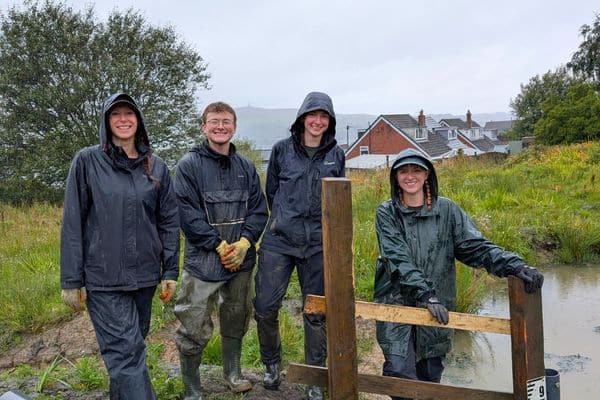
And the work doesn’t end when a project is completed.
Some benefits take months or even years to become fully visible. Trees need time to grow, habitats need time to establish, and wildlife populations need time to respond. Continued monitoring helps us understand the long-term impact of our work and provides valuable lessons for future projects.
Working together
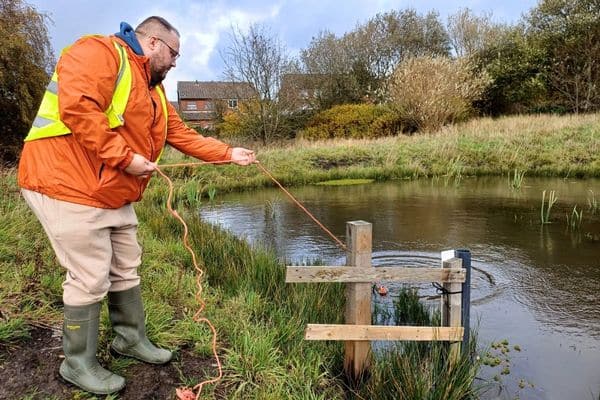
Good conservation isn’t just about collecting data. Sharing it is just as important.
Through the Ribble Life partnership, we work closely with other organisations across the catchment to share evidence, knowledge, and our own unique expertise.
By pooling information, we can avoid duplicating surveys, make the best use of limited resources, and build a more complete understanding of the challenges facing our rivers.
This collaborative approach allows partners to focus their time and efforts where they are needed most, increasing the impact of conservation work across the catchment.
Citizen scientists are also vital partners. With their knowledge, dedication, and commitment we can collect an even greater volume of data, helping us to discover more about the problems facing our rivers, and how we can solve them.
Evidence into action
Data doesn’t restore rivers on its own.
But it helps us identify problems, design solutions, and understand whether those solutions are working.
Every water sample collected, every fish survey completed, and every map analysed contributes to a bigger picture. Together, they allow us to make informed decisions that benefit rivers, wildlife, and people.
You can help us fund this vital work. When you donate £3 a month, you help us with our mission to clean up our rivers.
