water friendly homes
Small changes at home. Big benefits for rivers.
Did you know that what we do at home doesn’t stay at home?
When it rains, water running off roofs, driveways and roads often flows straight into nearby streams and rivers- not into a sewage treatment works. When drains become blocked by fatbergs or plastics, they can overflow into rivers. Misconnections are also a common problem, meaning appliances may be sending wastewater into the wrong place. Add too much rainwater into the system, and sewage spills become more likely.
All of this carries pollutants, increases flood risk, and puts pressure on wildlife and habitats downstream.
The good news is that small changes can make a big difference. Once you realise how easy some of these changes are, it’s simple to build on them.
Why water‑friendly homes matter
Rivers are shaped by much more than what happens in their channels. They are influenced by everything happening across the surrounding landscape; including thousands of homes and gardens.
This can be a problem because most of our infrastructure is designed to move water away from our homes as quickly as possible. But that our rivers often pay the price.
Water‑friendly homes work with nature rather than against it. They help slow the movement of water, reduce pressure on drains, improve water quality, and create space for nature to thrive. All while making neighbourhoods greener, cleaner and more resilient to extreme weather.
You don’t need specialist knowledge or major building work to make your home more water‑friendly. Small, thoughtful changes can make a big impact, especially when lots of people get involved.
Easy steps to a water friendly home
Let water soak in 🌧️
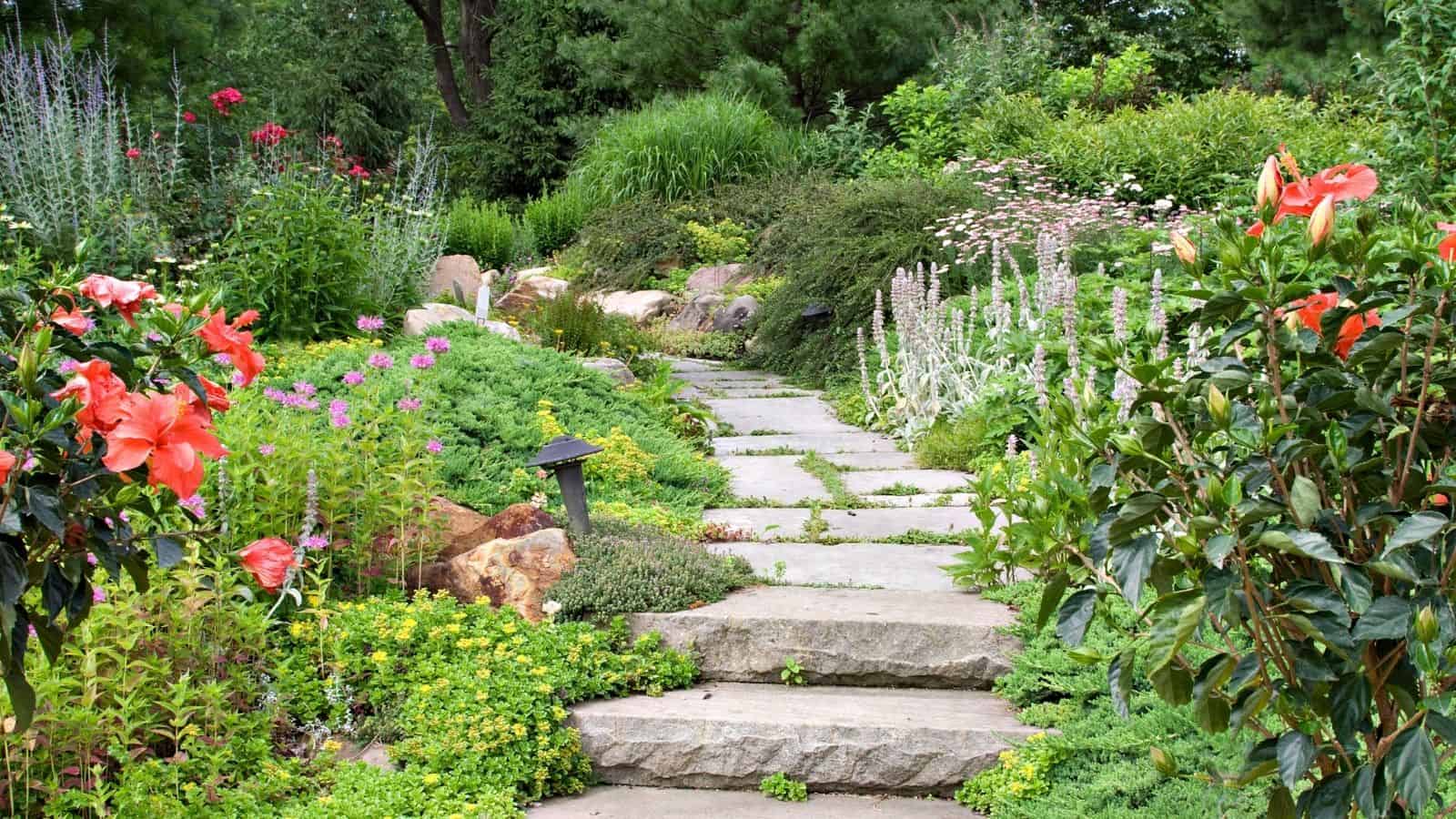
- Replace hard surfaces with grass, plants or permeable paving. This allows rainwater to soak into the ground rather than running straight into drains, and then rivers.
- Redirect downpipes onto lawns, borders or gravel areas where possible. Slowing water down reduces pressure on drainage systems and reduces the risk of overspills.
- Create shallow swales or dips in your garden. These give rainwater a safe place to sit temporarily instead of rushing away.
Make space for water in your garden 🌱
- Plant native trees and shrubs. They’re well adapted to local conditions, and their roots help soak up rainfall and keep soil healthy.
- Let some areas of grass grow longer. Longer grass improves infiltration and reduces surface runoff, and it’s great for wildlife.
- Leave fallen leaves and organic matter in borders where possible. This improves soil structure and helps it absorb and hold water.
- Be careful with pesticides and fertilisers. Heavy rain can wash these into nearby watercourses, harming wildlife and causing excessive plant growth.
Collect and reuse rainwater 🪣
- Install a water butt. This captures roof runoff, reduces the amount of water entering drains, and saves mains water- an increasingly limited resource.
- Link multiple water butts if space allows. More storage means more rain can be held back during heavy rainfall and used later in dry conditions.
- Position water butts so overflows run onto plants or lawns. This ensures excess water soaks safely into the ground, not our drainage system.
Be mindful of what goes down drains 🐟
- Don’t use any drains, including roadside drains, as bins. Surface water drains often drain directly int your local river, contaminating your local green spaces.
- Never wash oils, fats or chemicals down sinks or drains. These cause blockages, and blocked drains often lead to sewage overspills.
- Wash cars on lawns or gravel rather than driveways. This allows pollutants to filter through soil instead of being washed straight into drains.
- Only flush the three Ps- poo, pee and paper. Anything else can cause blockages in your drains that result in sewage spills.
Supporting wildlife and river health
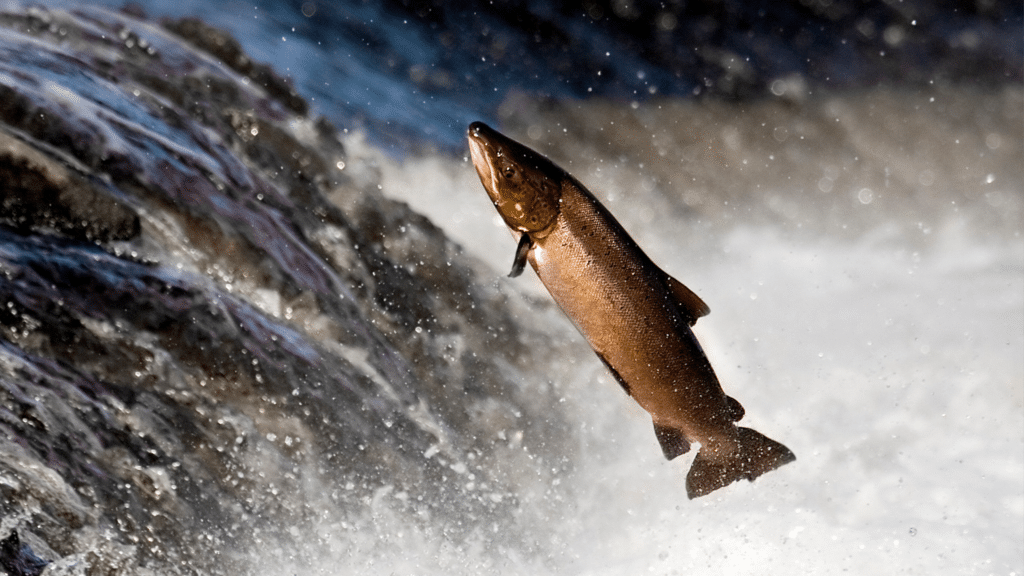
Healthy rivers depend on healthy landscapes. Fish such as brown trout and Atlantic salmon rely on clean, well‑oxygenated water and stable riverbeds. Insects and invertebrates, the foundation of river food webs, are particularly sensitive to pollution and sudden changes in flow.
By making homes and gardens more water‑friendly, we help rivers cope with heavy rainfall, dry spells, and longer‑term pressures, complementing wider restoration and conservation work happening across the catchment.
Want to go further?
If you’d like to support rivers beyond your own home, there are plenty of ways to get involved. You could take part in citizen science, volunteer on practical projects, dedicate a tree for your catchment, or become a supporter helping fund long‑term river restoration work.
Every action, big or small, helps build healthier, more resilient rivers for people and wildlife.