Our Blog
Ribble Rivers Trust Blog
-
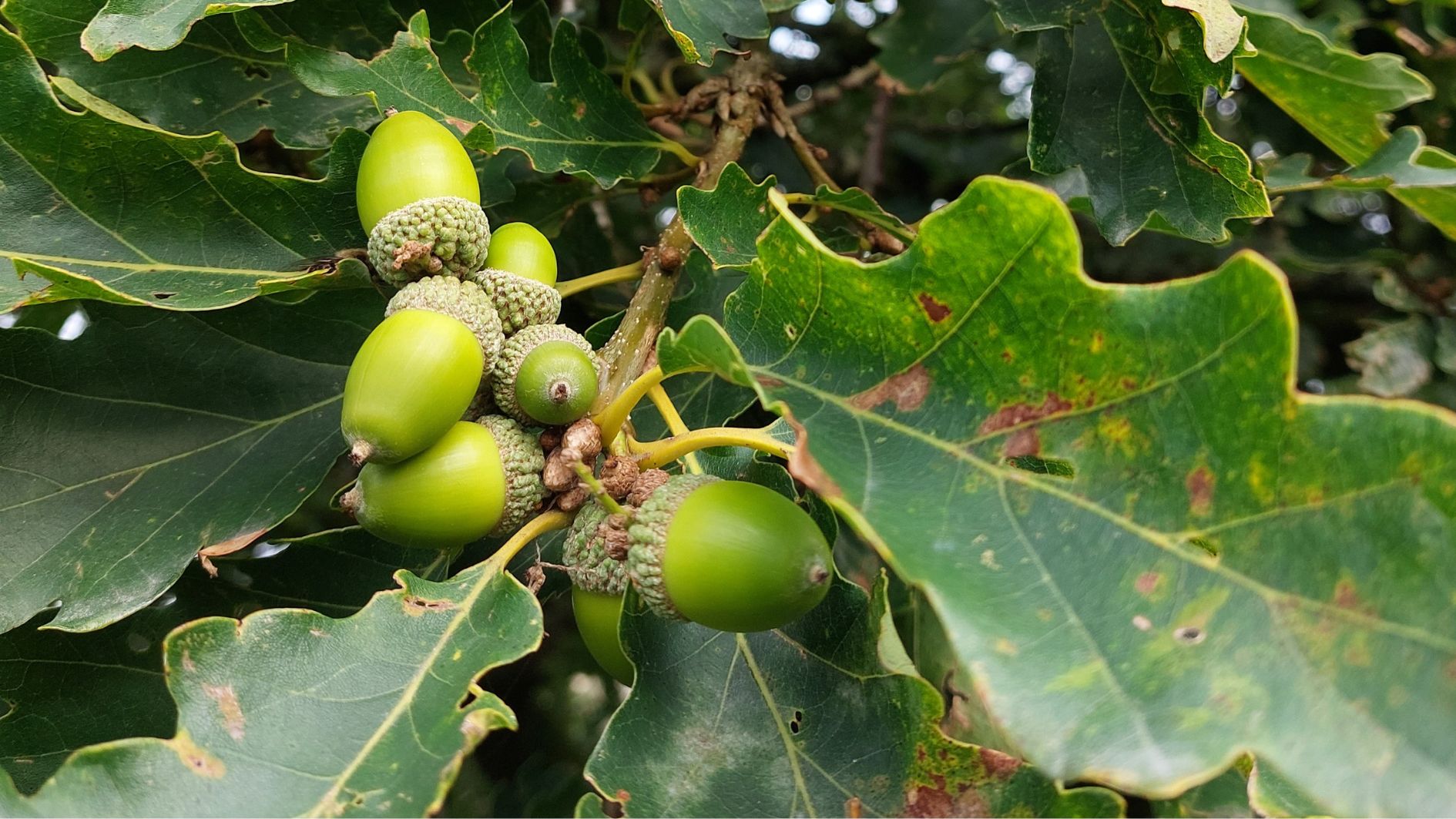
Tree seeds, fruits, or nuts?
If you’re anything like us you’ve probably noticed that trees across the country are brimming with fruits, nuts, and seeds. But have you ever wondered what makes a seed a seed, or if nuts and fruit are seeds too? It is really easy to get confused, so we’ll start with the basics. Read more>>
-
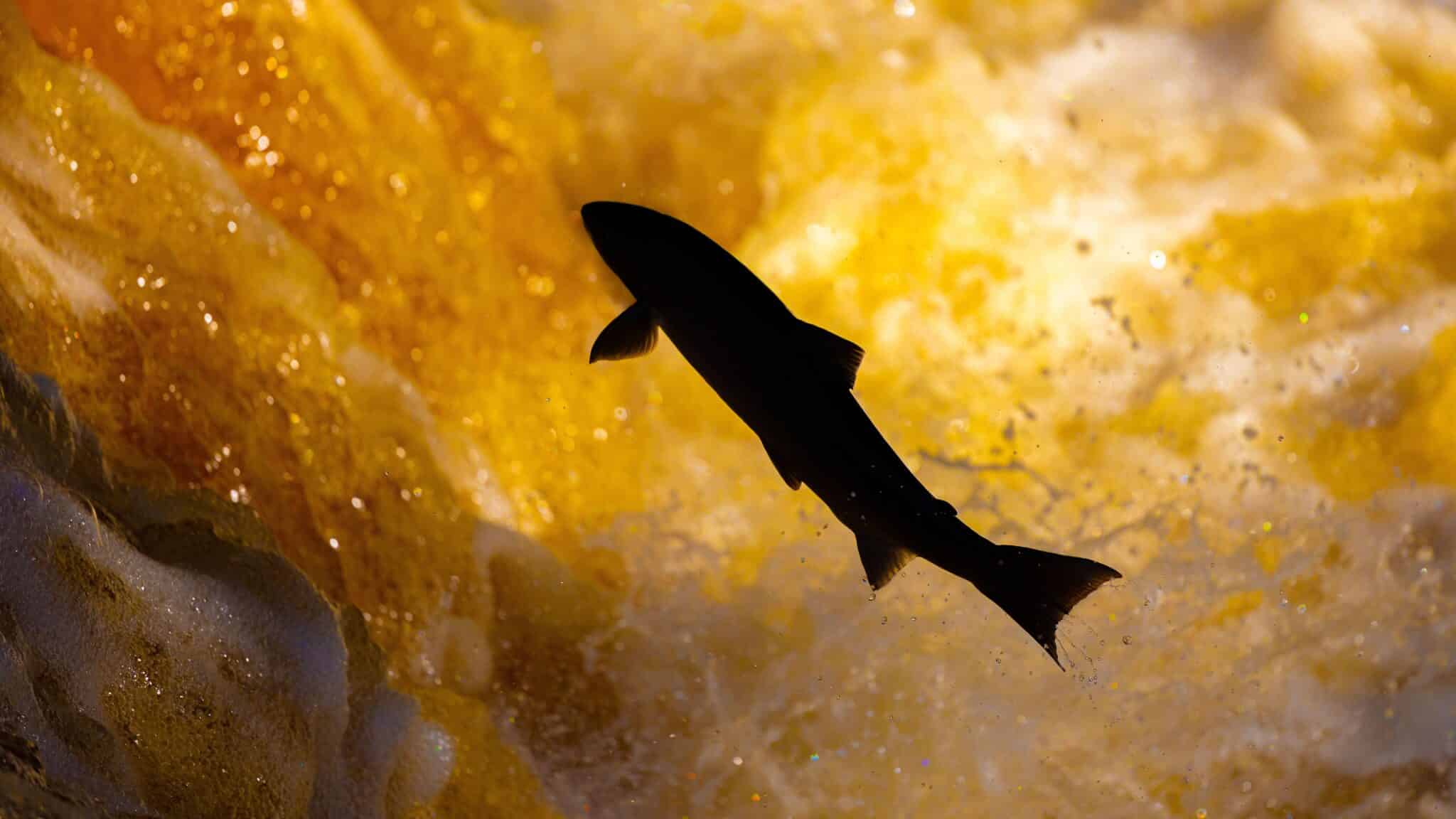
The Ribble Salmon Run; an Epic Upstream Journey
Salmon are some of the most iconic creatures in our rivers, and every year they provide one of nature’s greatest spectacles- the salmon run. This awe-inspiring annual migration sees Atlantic salmon return from the ocean to the rivers where they were born, overcoming immense challenges to complete their lifecycle. The salmon run begins with a…
-
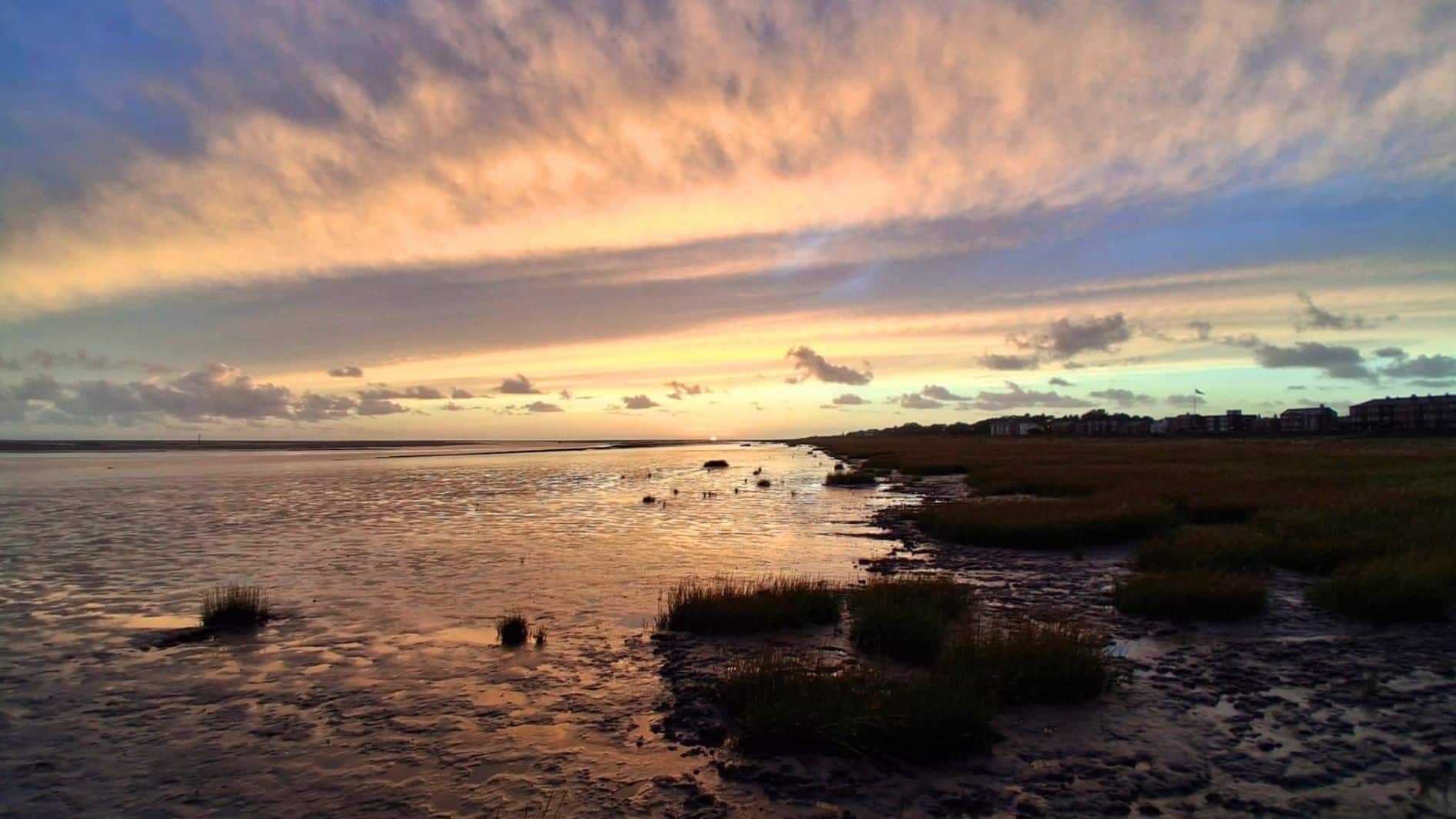
Exploring the Ribble Estuary
I love it when a plan comes together. But equally, I love a surprise; finding myself surrounded by nature and being in awe of the wonderful world after a last-minute decision to have “a quick look down there…”. My impromptu exploration began before sunset and by happy coincidence the tide was low. Wildlife on the Ribble…
-
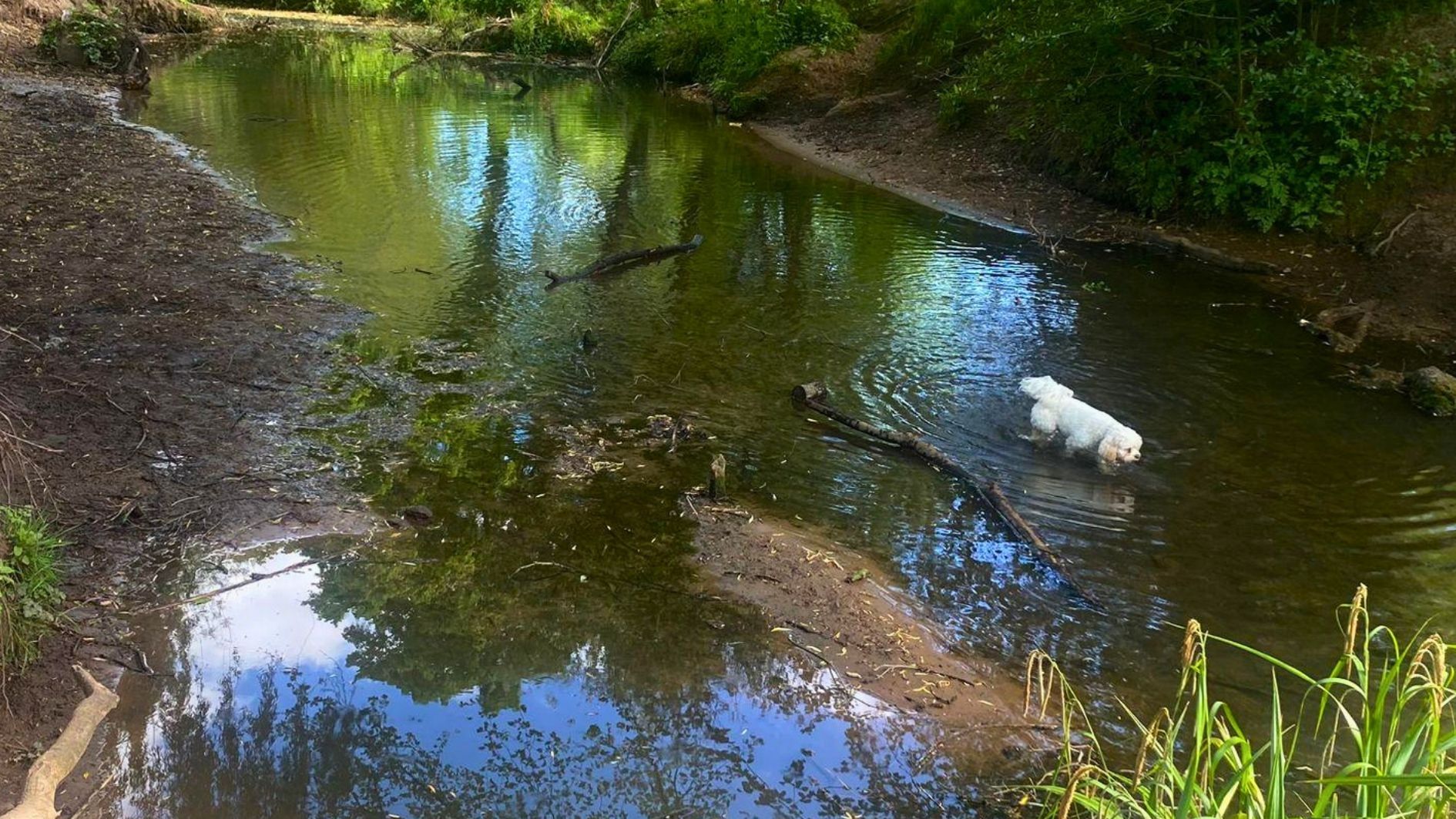
Flea Treatments and River Health: An Overlooked Threat to Wildlife
Most pet owners use flea treatments for one simple reason: to keep their cats and dogs healthy. But growing evidence suggests that some of the chemicals used in common flea and tick treatments may be having unintended consequences for river health. Scientists are increasingly concerned about the impact these products are having on rivers, wildlife,…
-
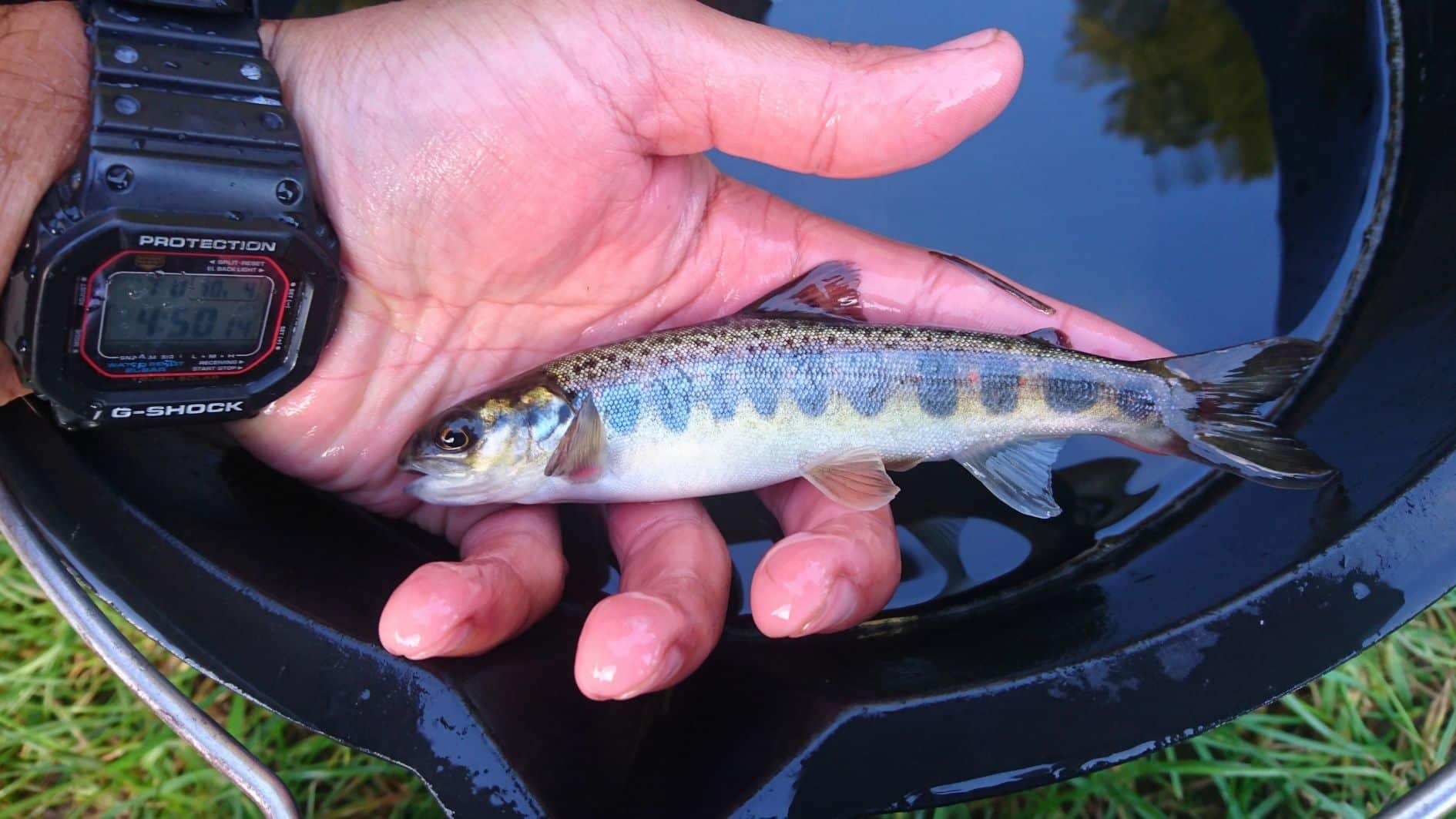
Press Release; Good News For Ribble Salmon As Surveys Reveal Promising Response
Record catches of young salmon suggest river restoration work is paying off There is encouraging news for one of the Ribble’s most iconic and threatened species, as early survey results suggest Atlantic salmon may be making a comeback across parts of the catchment. Every year, Ribble Rivers Trust surveys more than 300 sites across the…
-
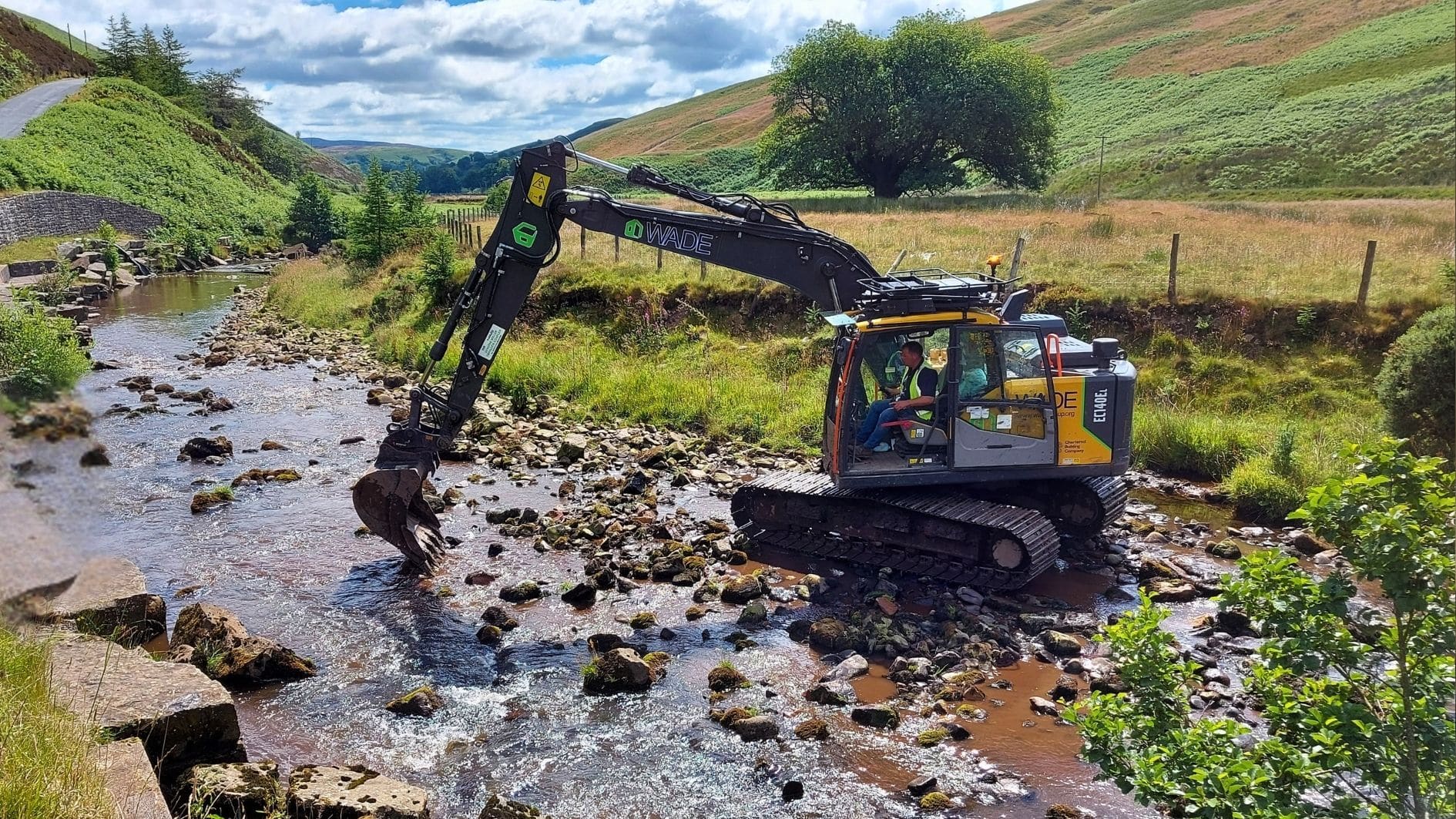
Langden Gravels
High in the Forest of Bowland, Langden Brook flows through some of the most spectacular landscapes in the Ribble catchment. A tributary of the River Hodder, it is one of the catchment’s most important strongholds for Atlantic salmon and other freshwater wildlife. But despite its appearance, natural river processes here have been interrupted for many…
-

Help Us Track Drought Across the Ribble Catchment
We Need Your Help Report a Dried-Up Watercourse Why Is Drought An Issue? After a summer of heatwaves and prolonged dry weather, more than 70% of England is now officially in drought and many of the small becks, streams, and gills that feed our rivers are shrinking dramatically, and in some cases drying up completely.…
-

PRESS RELEASE: Rare white-clawed crayfish given lifeline
Rare white-clawed crayfish given lifeline as recovery work begins across the North Northern rivers will play a key role in a national project to save the native white-clawed crayfish from disappearing from our rivers and streams. A major conservation effort is underway across the North of England to help save the UK’s only native freshwater…
-

Walking the Ribble Way!
The Ribble Way is a captivating long-distance trail that traces the course of the River Ribble from its mouth near Preston all the way to its source in the stunning Yorkshire Dales. Along this 72-mile journey, you’ll pass through charming villages like Ribchester and Clitheroe, enjoy breathtaking views of Pendle Hill, and explore historic towns…
-
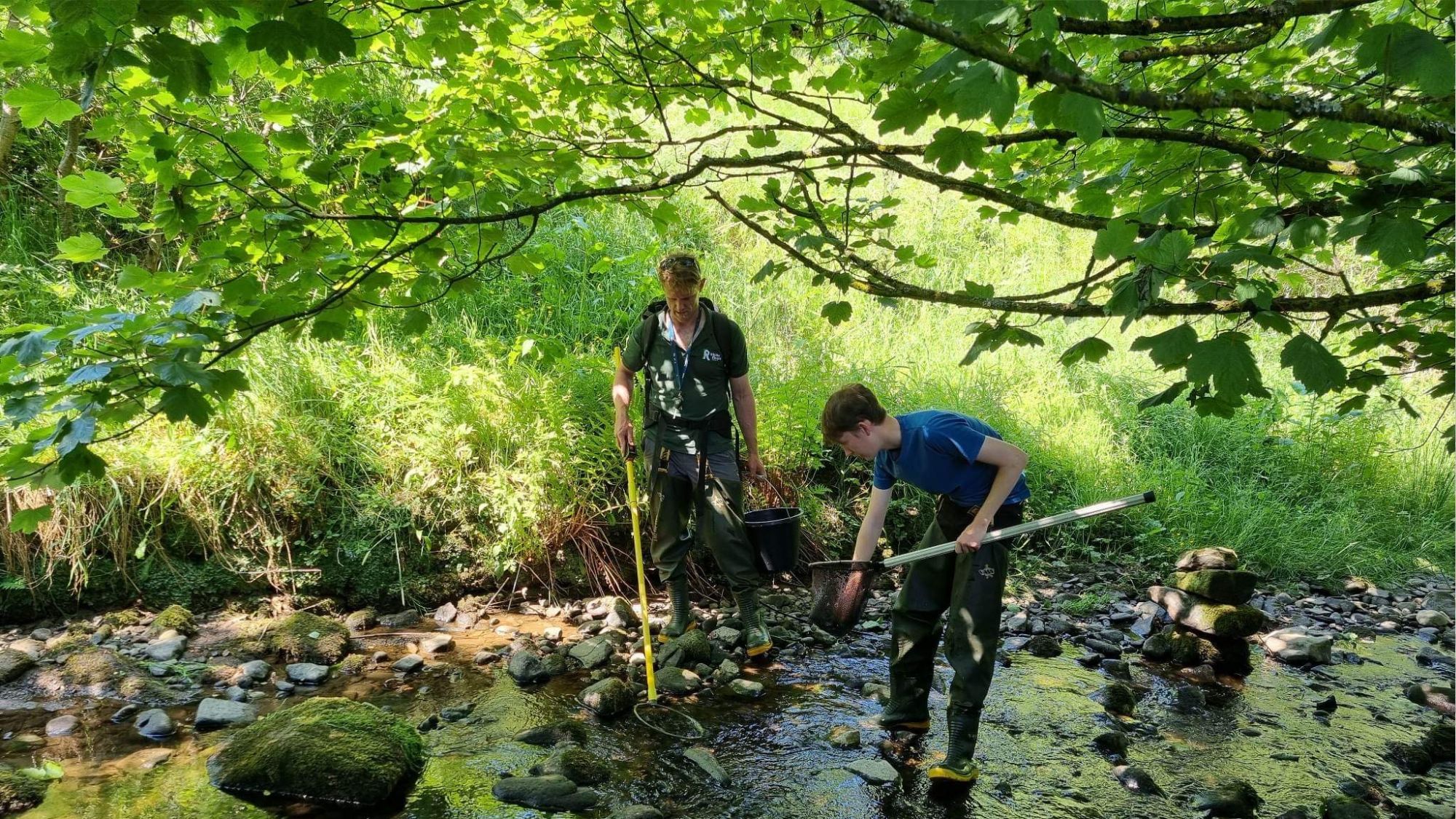
Exploring the Depths: Electrofishing for Conservation
Ribble Rivers Trust strive to protect and restore the Ribble catchment’s rivers, and understanding the intricate dynamics of our river ecosystems is a huge, and very important part of our work. One technique that plays a crucial role in our data collecting efforts is electrofishing. Electrofishing is a technique widely used by scientists and fisheries…
-

Wildfires: Why They’re Becoming More Common and How We’re Increasing Landscape Resilience
For many years, wildfires felt like a problem affecting other parts of the world. Not anymore. In recent weeks, we’ve seen fires reported across Greater Manchester, Derbyshire, North Wales, and much closer to home on Darwen Moor near one of our project sites. As another heatwave grips much of the country, it’s becoming increasingly clear…
-

PRESS RELEASE: New Project To Help Protect And Restore Bowland’s Landscapes For Local Communities And Wildlife
Communities across the Forest of Bowland and surrounding areas are set to benefit from a major new project designed to restore nature, improve access to green spaces, and support the people who live and work in this iconic landscape. About Bowland Connects Thanks to a £250,000 grant from The National Lottery Heritage Fund, Ribble Rivers…
-

What are invasive non‑native species and why are they a problem?
When we talk about the health of our rivers, we often focus on water quality, habitats, and wildlife. But there’s another major pressure; invasive non‑native species. Across the UK, more than 2,000 species have been introduced from other parts of the world. These can be plants, insects, crustaceans, fish, birds, or mammals. Most are harmless,…
-
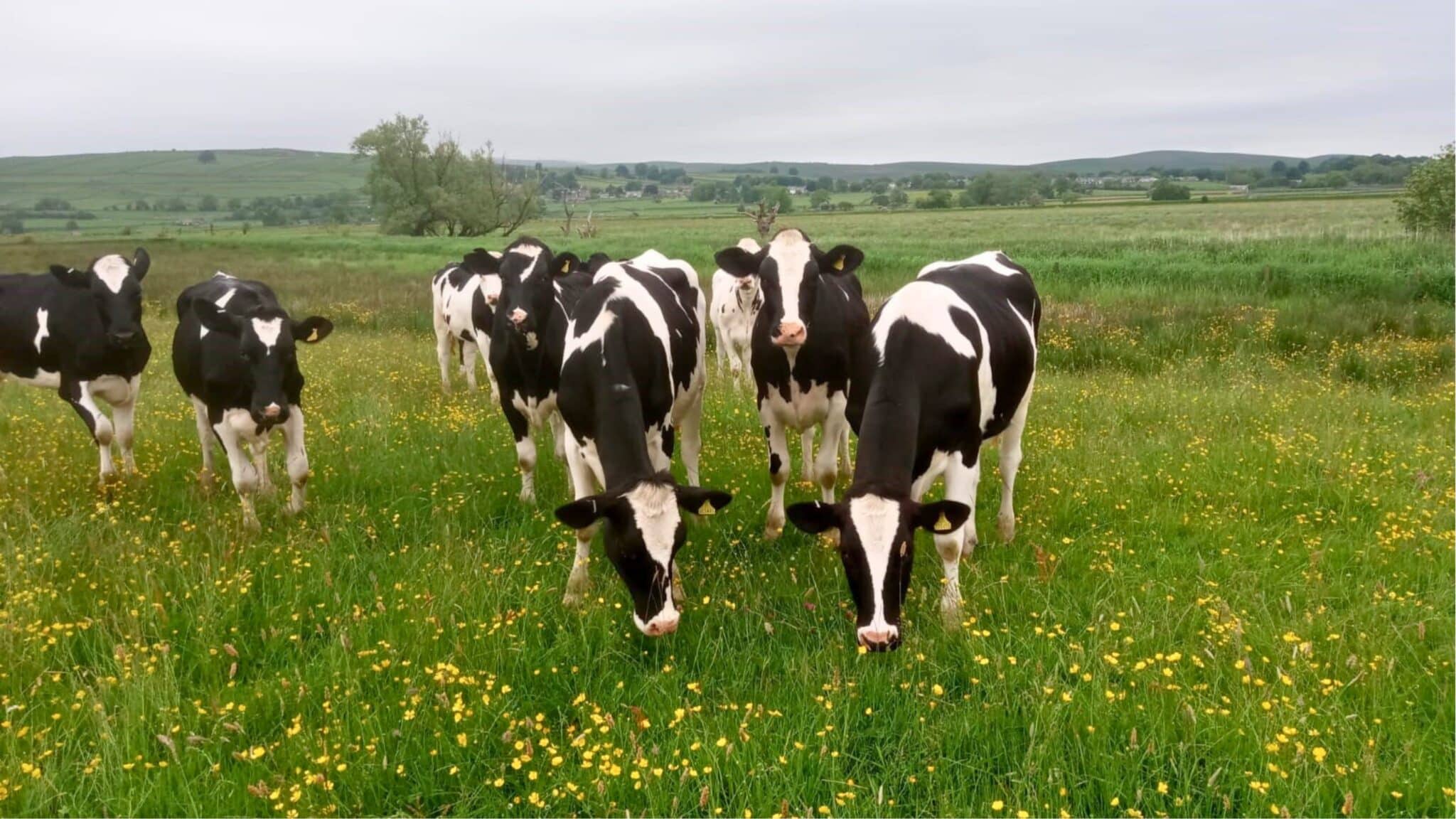
Delivering Farm Advice
Agriculture is one of the main land uses in the Ribble catchment, so it’s no wonder that farm advice is a large part of our work. As well as providing the nation with food, farming it’s also an important part of our local and national heritage. Over many centuries farming has shaped the landscape that…
-

Community Catchments: Darwen NFM
In 2025, Ribble Rivers Trust launched a new project aimed at reducing flood risk in three Lancashire towns; Wrea Green, Darwen, and Clitheroe. The Community Catchments initiative will work closely with residents, businesses, and landowners on community-led natural flood management. Our goal is to empower communities to address flood risks head-on, with a little help from us,…
-

Communty Catchments: Wrea Green NFM
In 2025, Ribble Rivers Trust launched a new project aimed at tackling flooding in three Lancashire towns through community-led natural flood management. The Community Catchments initiative will work closely with residents, businesses, and landowners in Wrea Green, Darwen, and Clitheroe; empowering communities to address flood risks head-on- with a little help from us, of course!…
-
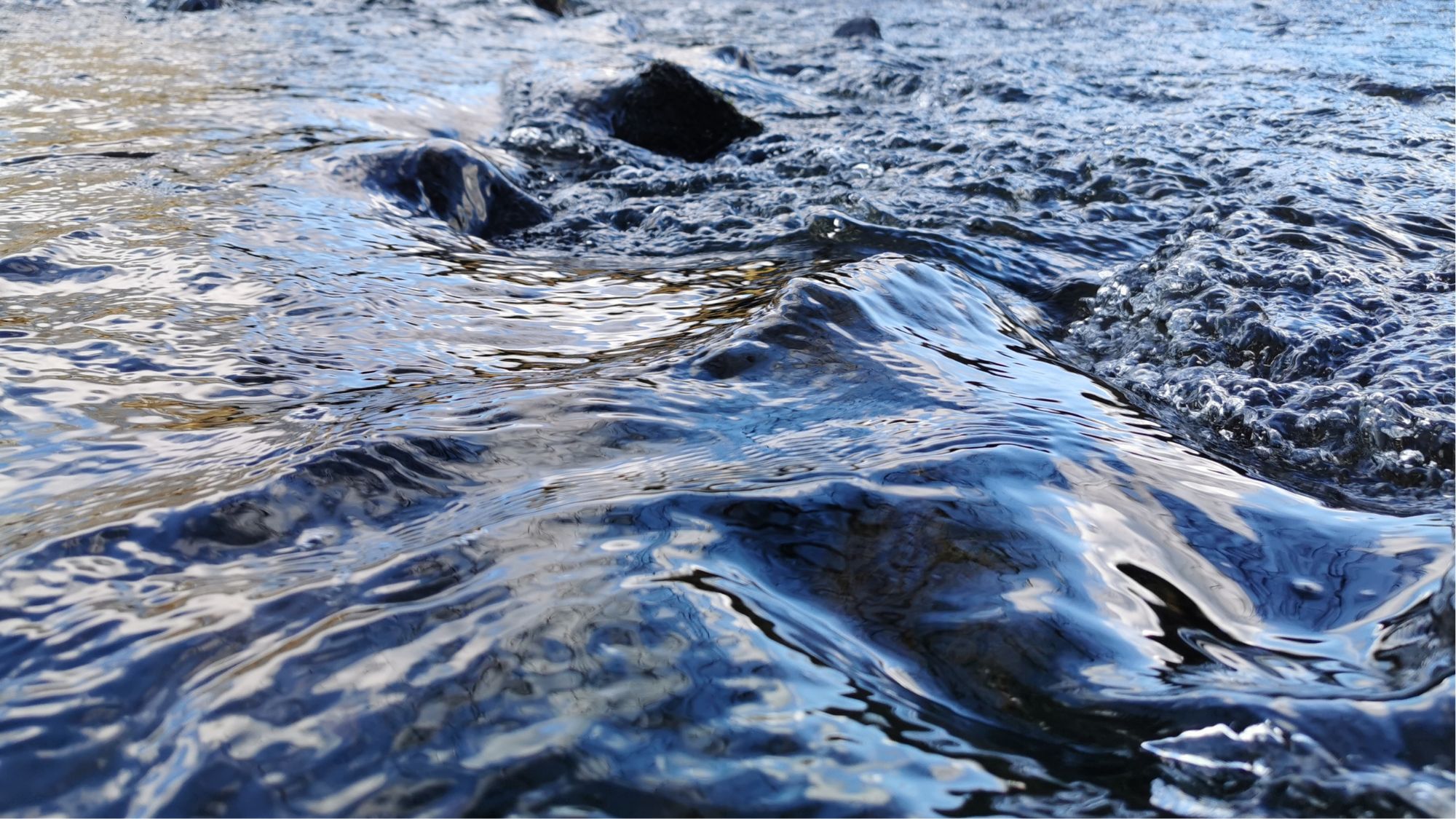
Water Safety: our guide to river safety
Quick links: Water Safety Tips Cold Water Shock School sessions The Ribble catchment is a fantastic place to explore, especially when the sun’s shining! From wild swimming to paddling, kayaking to fishing, our rivers, lakes and streams offer something for everyone. But rivers can change quickly, and what looks calm on the surface can hide…
-
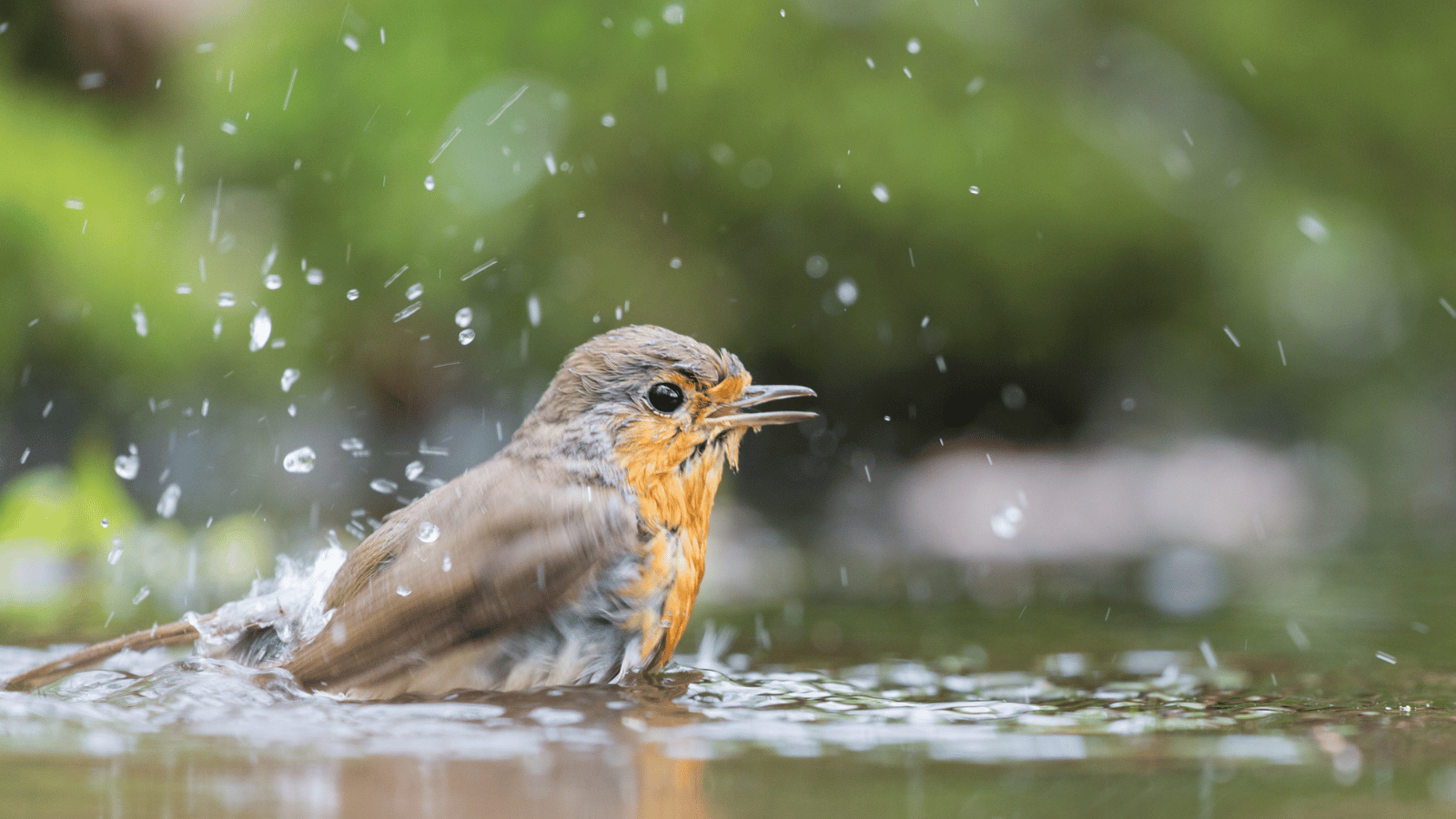
Staying Cool: Helping Rivers and Wildlife in Hot Weather
Quick links: Hot Weather & Rivers Hot Weather & Wildlife Help Wildlife At Home Help Us To Protect Wildlife Warm, sunny days are something many of us look forward to. But for rivers and the wildlife that depends on them, rising temperatures can bring serious challenges. Rivers are finely balanced ecosystems. Even small changes in…