
Water Friendly Gardens: Small Changes That Make a Big Difference
If you step into your garden, it’s easy to see it as your own space, completely separate from everything beyond the fence.
But when it rains, your garden connects directly to the wider river landscape. This is because everything in a river catchment is connected.
Water moves through soil, lawns, patios and driveways before eventually reaching local streams and rivers. Along the way, this water carries everything it picks up including soil, nutrients, chemicals, and plant material.
That means how we manage our gardens can directly affect the health of our rivers. So, let’s dive into our top tips for Water Friendly Gardens.
Why Water Friendly Gardens Matter
Hard surfaces and poorly managed spaces can increase runoff, sending water quickly into drains and rivers. This can raise flood risk, reduce water quality, and damage habitats.
At the same time, some garden plants can spread beyond their boundaries. Invasive non-native species can enter waterways, outcompete native plants, and disrupt ecosystems.
But gardens can also be part of the solution.
Water friendly gardens are designed to slow water down, help it soak into the ground, and support wildlife.
Creating space for wildlife
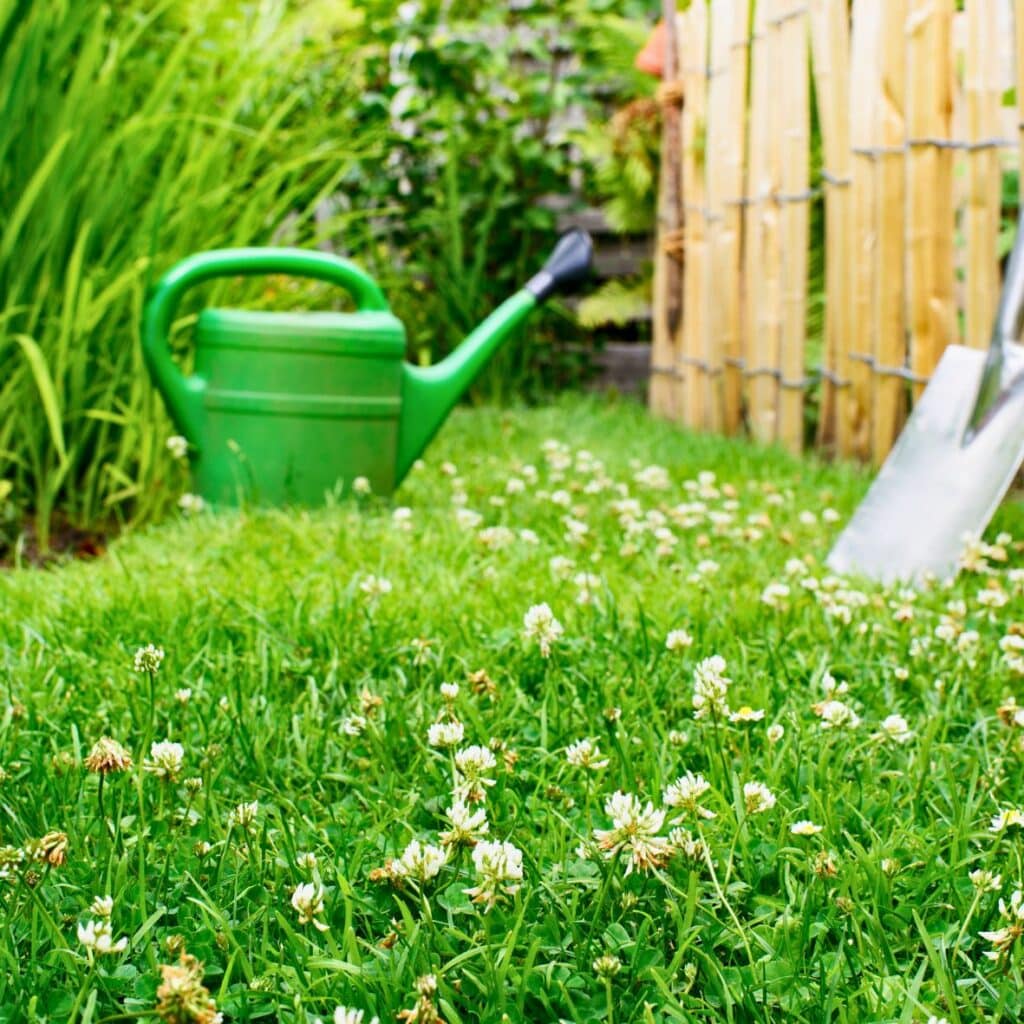
Gardens are valuable habitats in their own right.
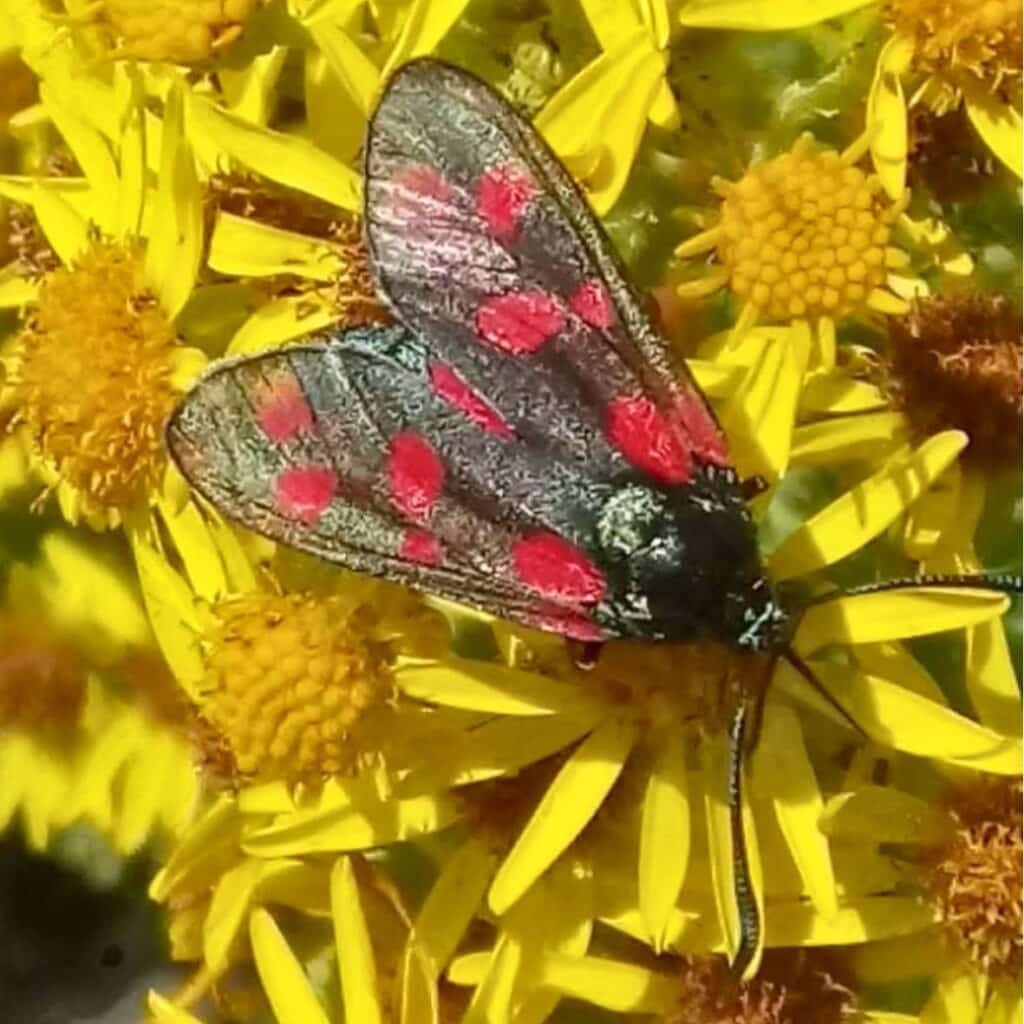
Planting a mix of native, wildlife-friendly species can support pollinators, birds and insects. Leaving grass longer, creating a wildflower patch, or adding a pond can all make a difference.
Avoiding pesticides and peat-based compost also helps protect ecosystems- both in your garden and downstream.
Connected landscapes
Across the Ribble catchment, we work at scale to restore rivers by planting trees, creating wetlands, building fish passes, and renaturalising habitats. All of these projects connect together to deliver a wide range of benefits.
These same principles apply at home.
When many gardens work in the same way, like by holding water, supporting wildlife and reducing pollution, they become part of a connected network of habitats.
Together, these small spaces can help build healthier, more resilient rivers.
Simple ways to get started
Manage water naturally
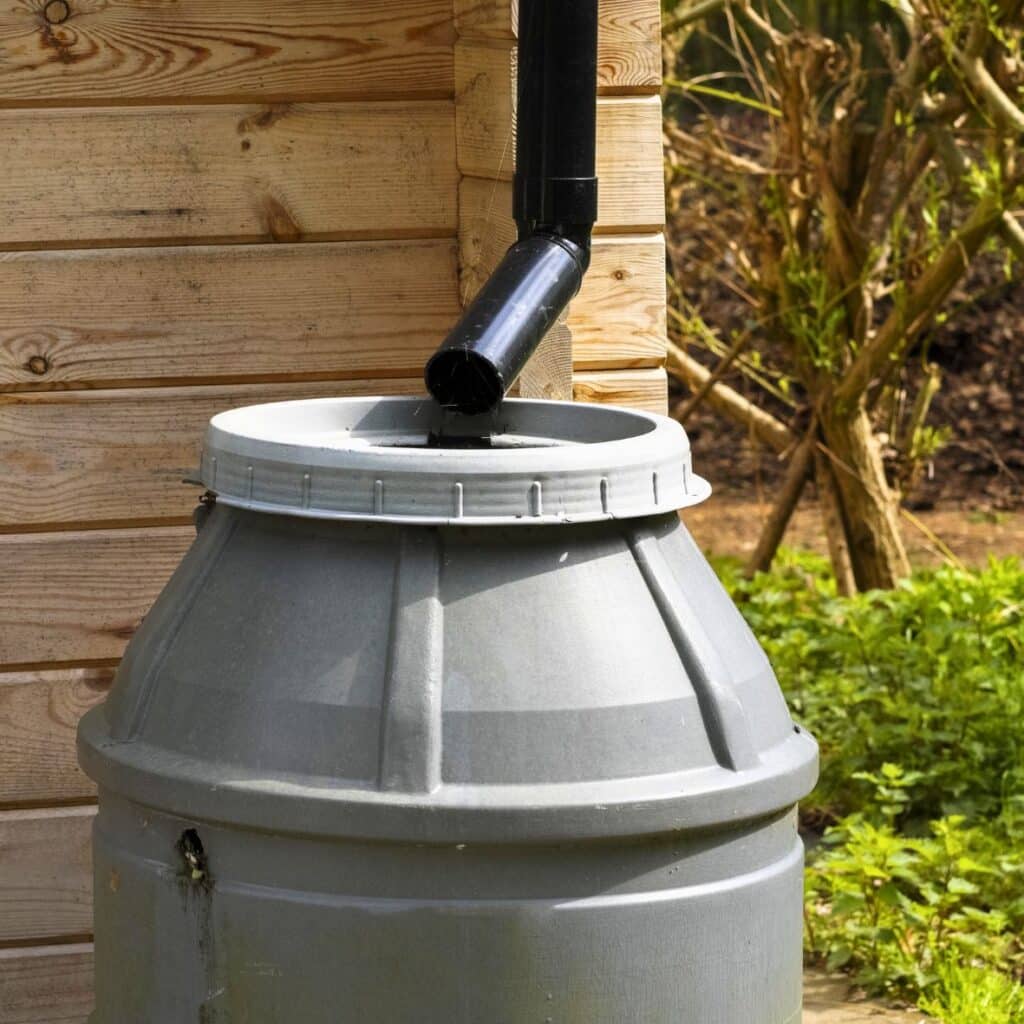
- Install a water butt to collect rainwater instead of using drinking water
- Water plants early morning or evening to reduce evaporation
- Use cooled cooking water where possible- the nutrients can benefit your plants
- Water the soil, not the leaves, sending the water straight to where it’s needed
Improve your soil
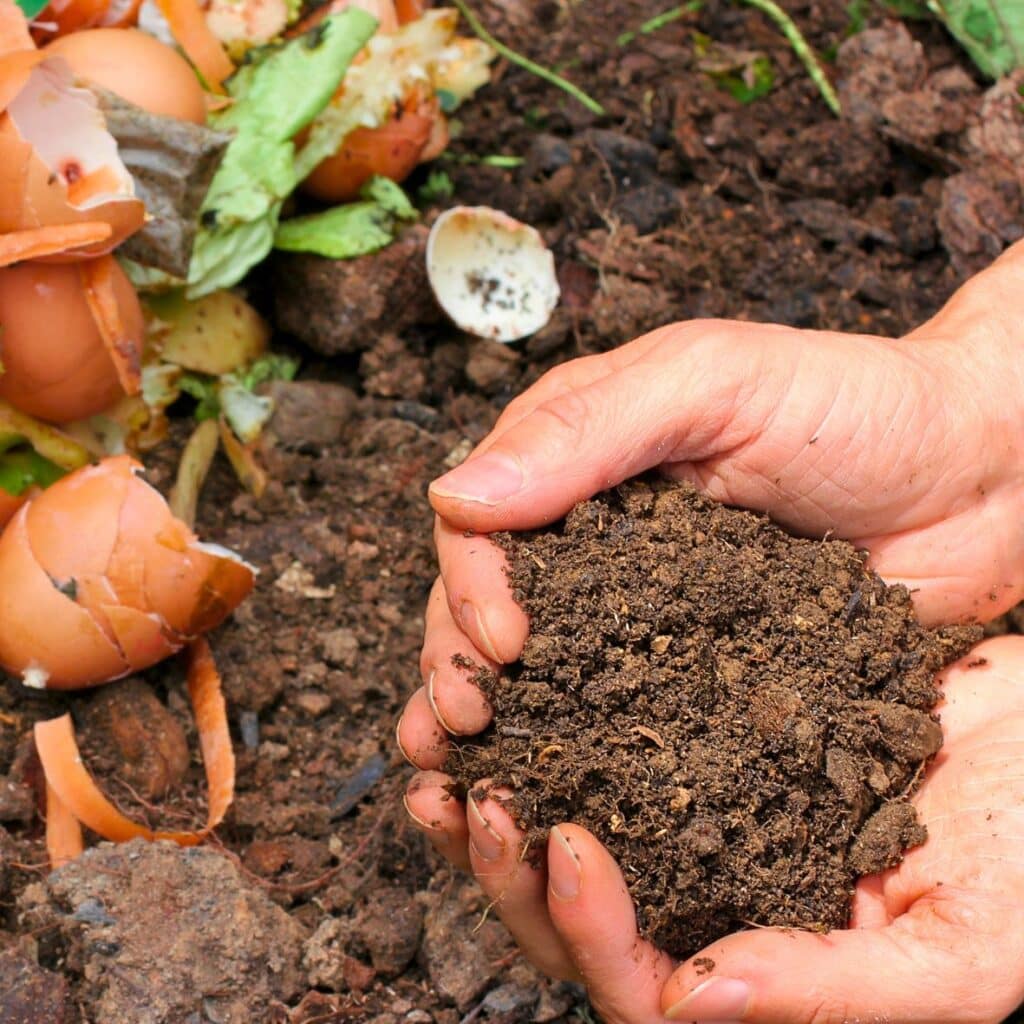
- Add organic matter to help soil retain water and improve structure
- Use mulch to keep soil cool, and reduce evaporation rates
- Avoid compacting soil, especially when wet, as this reduces the amount of water it holds
- Always use peat free compost, peat extraction destroys rare and valuable habitats
Choose the right plants
- Select drought-tolerant species that need less water
- Use native plants, which are far better at supporting native wildlife
- Choose a variety of flower types to attract pollinators with different feeding habits
- Mow your lawn less often to encourage wildflowers, which can actually improve soils

Create space for wildlife
- Add a pond or mini water feature, it’ll benefit everything from birds to bees
- Install bird boxes and bird feeders to encourage birds into your garden
- Grow wildflowers or leave grass longer to support insects and small mammals
- Plant native trees or hedges. They support local wildlife and help maintain biodiversity

Slow the flow
- Use permeable surfaces like soil, grass, and even gravel instead of hard surfaces
- Create rain gardens, swales, or planted boggy areas to hold onto water for longer
- Collect and store rainwater, if it’s in a water butt, it isn’t flooding your home
- Keep grass longer to retain moisture and prevent it drying out in summer
Protect rivers from pollution
- Avoid pesticides and chemical weedkillers which can leach into your local river
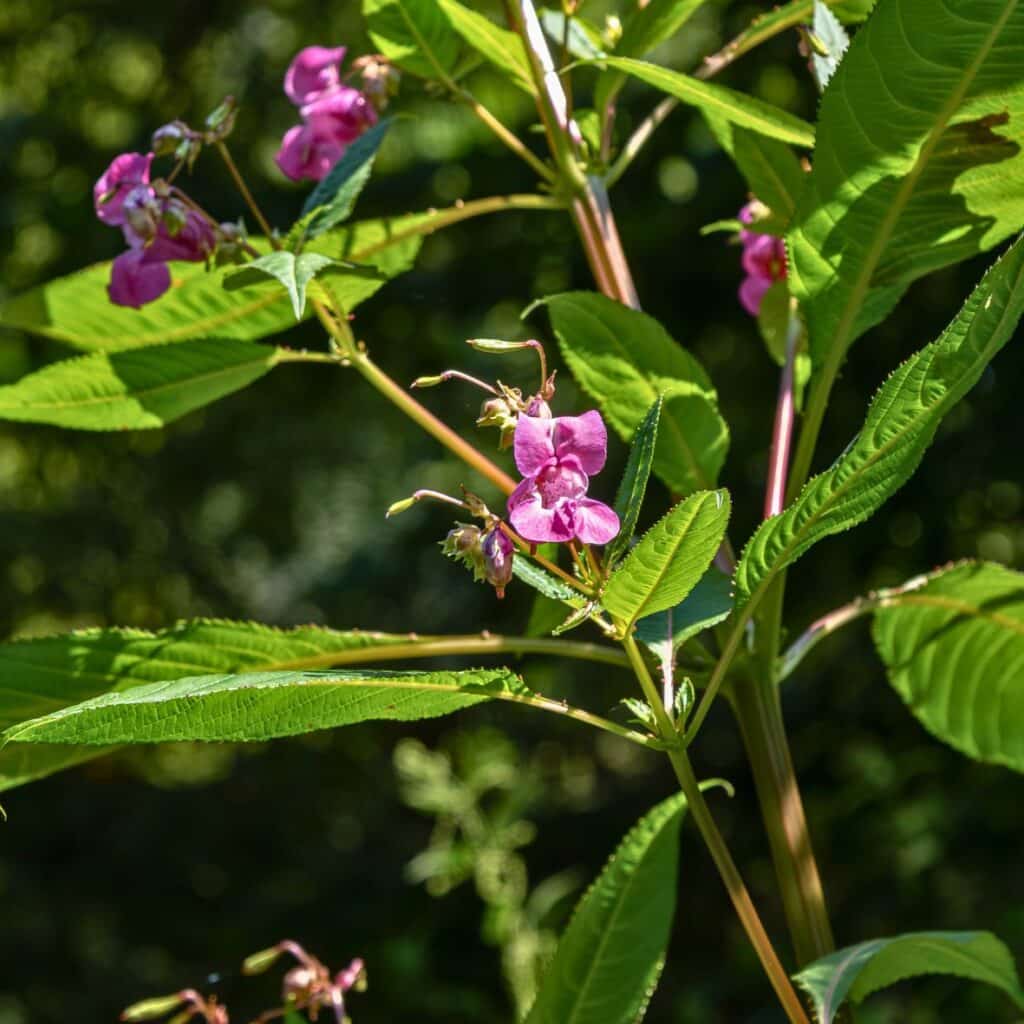
- Watch out for invasive non-native species like Himalayan balsam, and remove them asap
- Never dispose of green waste like grass clippings, in a watercourse- it’s catastrophic for river health
- Avoid artificial lawns, which release microplastics, increase flood risk, and provide little benefit for wildlife
What are you waiting for?
Creating a Water Friendly Garden doesn’t mean starting from scratch and loads of work. Small changes, whether it’s adding a water butt, leaving a patch of grass to grow, or choosing different plants, can all make a real difference.
And when those changes are repeated across many homes, they begin to shape the rivers we all depend on.
So, what are you waiting for?
Start small, start today, and help create a garden that works with water, supports wildlife, and protects your local rivers for the future!

Rivers are at the heart of our local landscapes. Whether you’re casting a line, exploring a riverside trail, or simply basking in the beauty of nature, you can help protect these special places now, and for generations to come.
By becoming a Ribble Rivers Trust supporter for just £3 a month, you’ll be funding real, on-the-ground action.
Ready to make a difference? Learn more here: ribbletrust.org.uk/become-a-supporter