
What are invasive non‑native species and why are they a problem?
When we talk about the health of our rivers, we often focus on water quality, habitats, and wildlife. But there’s another major pressure; invasive non‑native species.
Across the UK, more than 2,000 species have been introduced from other parts of the world. These can be plants, insects, crustaceans, fish, birds, or mammals. Most are harmless, but around 10–15% become invasive, spreading quickly and causing harm to ecosystems.
And when they do, the impact can be significant.
- Invasive non-native species are one of the top five drivers of global biodiversity loss.
- They are linked to around 60% of plant and animal extinctions worldwide.
- In Great Britain alone, they cost the economy nearly £2 billion every year.
Why rivers are especially vulnerable
Rivers and their catchments are dynamic, connected systems.
Water is constantly moving. Wherever it falls, it travels across farmland, industrial areas, and towns before it joins our rivers and flows downstream to estuaries and the sea.
That means invasive non-native species don’t stay confined to one place: seeds and plant fragments are carried by flowing water, animals move along connected habitats, and humans can transport tiny fragments between sites in their boots, bikes, boats, and other equipment.
In some cases, it only takes one small fragment or seed to start a new invasion.
Once a species establishes itself upstream, it can be quickly transported throughout the entire catchment. This is what makes rivers and wetlands particularly vulnerable.
How invasive species arrive
Most invasive non-native species were introduced by people, usually completely unintentionally.
Some were brought in as ornamental garden plants, usually during the Victorian era when botanists travelled around the world looking for exciting new plant species. Others were imported for food production or aquaculture, released into the wild as pets, or arrived as accidental hitchhikers from trade and travel.
At the time, the long-term impact wasn’t fully understood. But once these species escaped into the wild, the story changed.
Why are invasive species a problem?
Ecosystems are delicately balanced, and the flora and fauna within them has evolved together for millions of years. Invasive non-native species aren’t naturally part of these systems, and when they’re introduced, they disrupt this balance.
Invasive non-native species can:
- Outcompete native plants by growing faster and blocking sunlight
- Prey on native species or their eggs and young
- Spread diseases that native species cannot resist
- Alter habitats and river processes, including flow and erosion
- Disrupt food webs, affecting insects, fish, and birds
In some cases, they also affect people directly:
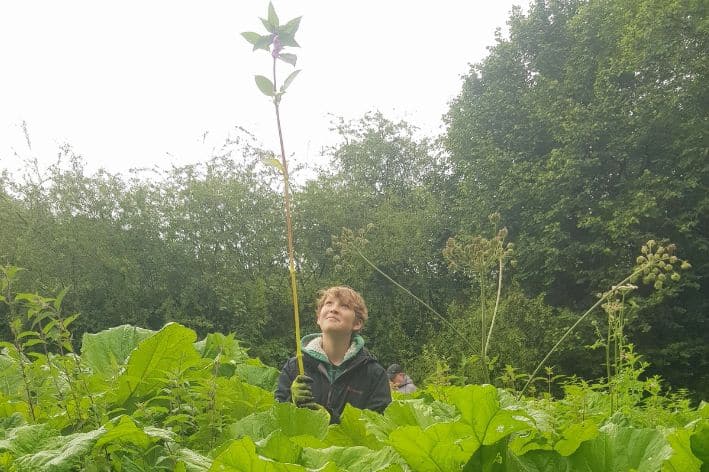
- Giant hogweed can cause severe skin burns
- Floating pennywort can block waterways
- Himalayan balsam dies back each year, leaving bare banks which increase erosion and flooding
- Japanese knotweed damages homes and infrastructure
And once these species are established, they are difficult and expensive to remove.
Five species causing problems across the Ribble catchment
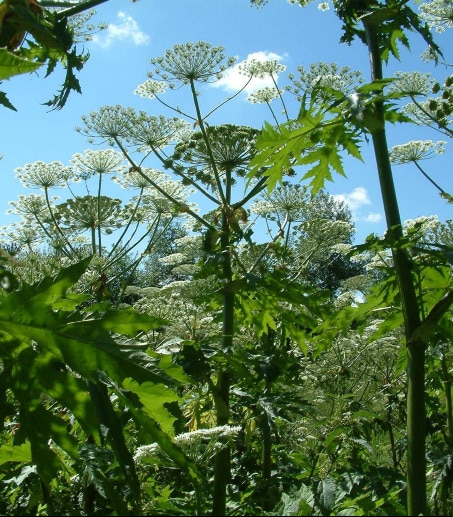
Giant hogweed: A towering plant with toxic sap that can cause serious burns, while outcompeting native vegetation and destabilising riverbanks.
Himalayan balsam: A fast-spreading plant with explosive seed pods that forms dense stands, crowding out native species and increasing erosion.
American skunk cabbage: A large, dominant plant that takes over wetlands, smothering native vegetation and clogging waterways when it dies back.
American signal crayfish: An aggressive, non-native species that damages riverbanks, eats native wildlife, and spreads crayfish plague which is devastating native populations.
Floating pennywort: A rapidly growing aquatic plant that forms dense mats, blocking light, reducing oxygen, and choking river channels.
While each species is different, they all have one thing in common: they spread quickly and disrupt the natural balance of our rivers.
What we’re doing to tackle them
At Ribble Rivers Trust, tackling invasive non-native species is an important part of our work to restore rivers and protect biodiversity. This includes:
- Direct removal; like pulling Himalayan balsam by hand, safely removing giant hogweed, and digging out skunk cabbage.
- Monitoring and mapping; including tracking where species are present and identifying priority areas for action.
- Working with communities and landowners; creating long term plans for controlling invasive species, running volunteer days to ensure a coordinated, long‑term effort, and training a small number of volunteers to remove giant hogweed.
This is not a one-off task. It’s ongoing work that requires repeated action, year after year.
How you can help stop the spread
The most effective way to tackle invasive species is prevention.
There are simple steps that everyone can take:
1. Check, Clean, Dry
Some invasive species can survive for over two weeks in damp conditions. So, after visiting rivers or waterways:
- Check clothing, boots and equipment
- Clean thoroughly (especially damp areas)
- Dry completely before visiting another site
2. Be Plant Wise
- Don’t let garden or pond plants enter the wild.
- Dispose of plants responsibly
- Never dump garden waste in the countryside
3. Take care of your pets
- Never release pets into the wild
- Take care when disposing of plants, water, and other materials from aquariums
- Check your pets paws and coat for seeds and plant material
4. Take action
- Report sightings where possible using the INNS Mapper website and app.
- Volunteer with local groups- we have plenty of opportunities available!
- Do a 10 minute balsam pull when you’re out on a walk
With the right awareness, early action, and ongoing effort, we can slow their spread, reduce their impact, and protect the rivers we all depend on.

Rivers are at the heart of our local landscapes. Whether you’re casting a line, exploring a riverside trail, or simply basking in the beauty of nature, you can help protect these special places now, and for generations to come.
By becoming a Ribble Rivers Trust supporter for just £3 a month, you’ll be funding real, on-the-ground action.
Ready to make a difference? Learn more here: ribbletrust.org.uk/become-a-supporter