Blacksnape: managing Flood risk for communities and Wildlife
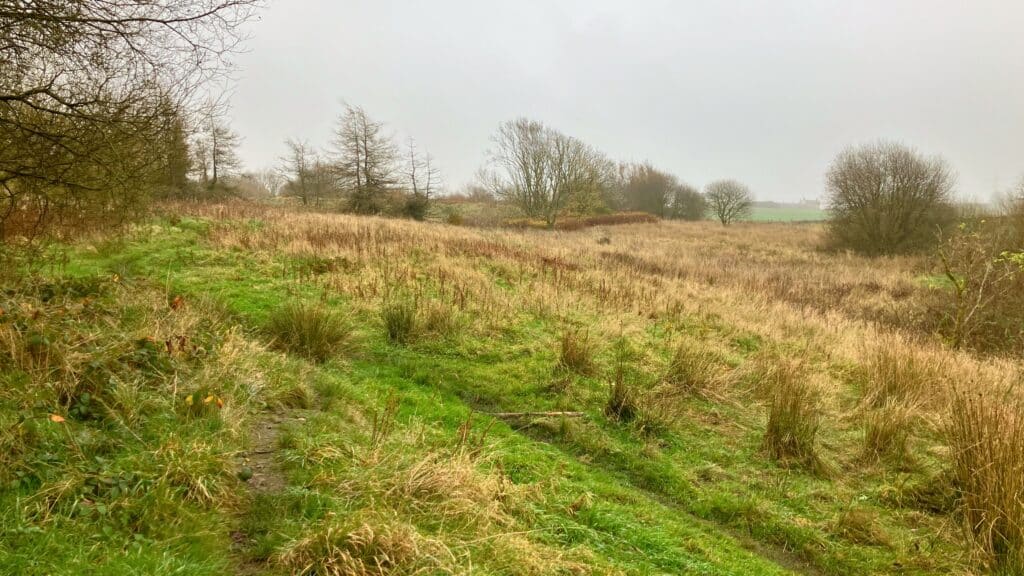
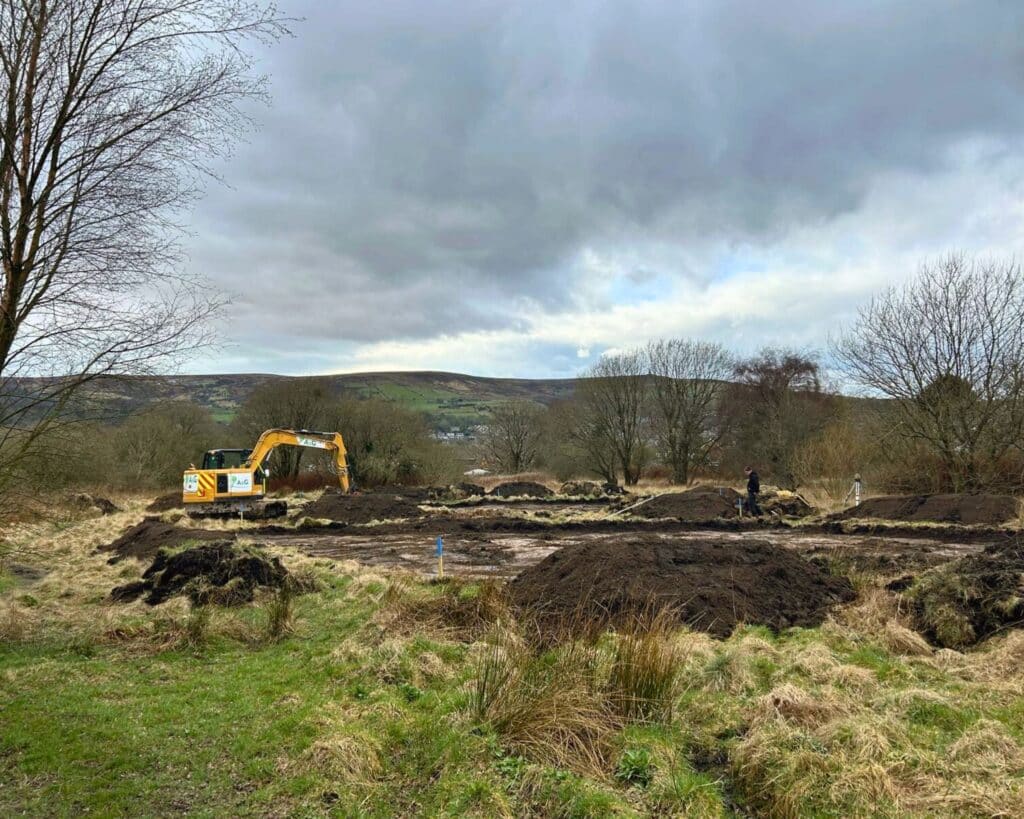
Work has officially begun at Blacksnape in Darwen, where Ribble Rivers Trust has started creating a series of new ponds to help with Natural Flood Management. This work forms part of our wider Community Catchments project, which focuses on Natural Flood Management (NFM) in Lancashire communities.
Over the coming weeks, our contractors will create seven new ponds across the site. These ponds have been carefully designed to intercept three different overland water flow routes that run through the area. By slowing and storing water during heavy rainfall, the ponds will help reduce surface water flooding for local residents and contribute to lowering flood peaks for communities further downstream.
While reducing flood risk is a key aim, the project will also create valuable new habitats for wildlife, helping to boost biodiversity in the area.
Why Are We Creating Ponds at Blacksnape?
Like many parts of Lancashire, Darwen has experienced flooding in the past. However, in some locations traditional flood defences such as walls or large engineered structures are not practical. That’s where Natural Flood Management comes in!
Natural Flood Management works by restoring natural processes in the landscape to slow, store, and filter water before it reaches rivers and urban areas. Instead of trying to move water away as quickly as possible, NFM focuses on holding it upstream and allowing it to move more slowly through the catchment.
So, that’s exactly what we’ve designed these new ponds to do! During heavy rainfall, water travelling across the land will enter these ponds, where it can temporarily collect before gradually moving on. This reduces the volume and speed of water flowing through the area at any one time. In turn, this lowers the risk of flooding downstream.
When combined with other NFM features being delivered across Darwen, such as leaky dams, wetland creation, and woodland planting, these ponds will play an important role in creating a more flood resilient landscape.
the Community Catchments Project
The work at Blacksnape forms part of the Community Catchments initiative. This is a Ribble Rivers Trust project working with communities in Darwen, Wrea Green, and Clitheroe to reduce flood risk through nature-based solutions.
Each of these towns has its own unique challenges, but they share a common goal: finding sustainable ways to reduce flood risk while improving the local environment. Across the project, the Trust is delivering a wide range of natural flood management interventions, including:
- Creating wetlands and ponds
- Planting new woodland
- Installing leaky dams to slow river flows
- Restoring peat habitats
- Improving in-river environments for wildlife
These features work together across the landscape to slow the movement of water and restore natural processes that have often been lost over time. Local residents, businesses, and landowners also play an important role in the project. Together, they’re helping to shape and support solutions that work for their communities.

Monitoring the Impact
Understanding whether natural flood management works, and how well it works, is incredibly important. That’s why Ribble Rivers Trust’s Data and Evidence team has installed a large monitoring network across the catchment. This equipment collects detailed data about rainfall, water levels, and how water moves through the landscape. So far, the team has installed:
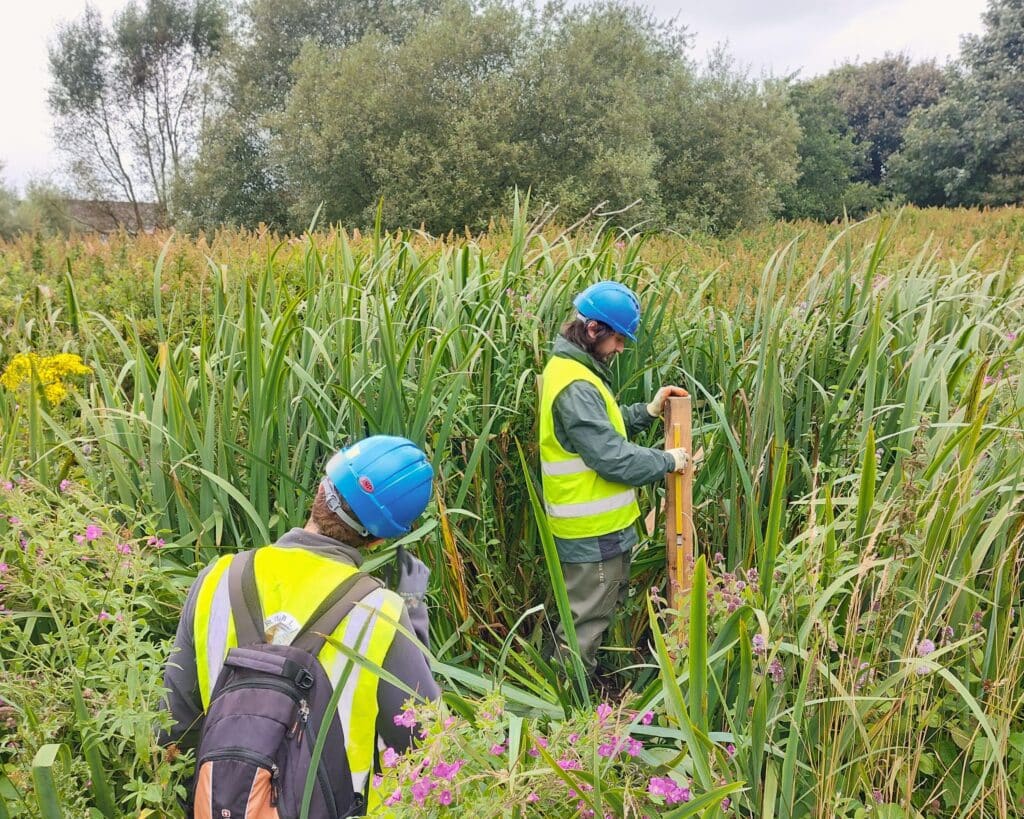
- 43 water level loggers
- 7 air pressure loggers
- 3 rain gauges
- 22 time-lapse cameras
This monitoring will allow us to gather several years of “before and after” data, helping us understand exactly how features like the Blacksnape ponds influence water movement during periods of heavy rain. The results will not only help us improve future projects, but will also allow us to demonstrate the effectiveness of natural flood management to communities, funders, and other organisations.
How Blacksnape benefits wildlife and water
Although reducing flood risk is the primary goal of this work, projects like the ponds at Blacksnape also deliver huge benefits for wildlife.
New ponds and wetlands quickly become valuable habitats for a wide range of species. Fish, amphibians, insects, birds, mammals and even plants can all benefit from the increased availability of freshwater habitats. Over time, these ponds will develop into thriving ecosystems that support biodiversity in the local landscape.
Healthy rivers and wetlands also benefit important fish species found in the Ribble catchment, including Atlantic salmon, brown trout, and European eel, which rely on healthy river systems to survive and reproduce.
By slowing water during heavy rainfall and improving habitats across the catchment, this work helps build a healthier, more resilient river system for both wildlife and people.
A thank You To Our Funders!
Thank you to A&G Landscapes & Groundworks Ltd for helping us to deliver this work. The work at Blacksnape is part of Ribble Rivers Trust’s wider Community Catchments project, which is funded by Defra and the Environment Agency through the Natural Flood Management Programme. This national £25 million programme supports projects across the country that use nature-based solutions to increase flood resilience. This project is also supported by Blackburn with Darwen Council.

Rivers are at the heart of our local landscapes. Whether you’re casting a line, exploring a riverside trail, or simply basking in the beauty of nature, you can help protect these special places now, and for generations to come.
By becoming a Ribble Rivers Trust supporter for just £3 a month, you’ll be funding real, on-the-ground action.
Ready to make a difference? Learn more here: ribbletrust.org.uk/become-a-supporter
