Pinpoint: Practical Farm Advice That Makes a Difference
When it comes to improving water quality, there isn’t a single solution that works for every farm.
Every holding is different, with its own challenges, opportunities and priorities. That’s why Pinpoint visits take a practical, farm-by-farm approach, helping land managers identify simple changes that can make a real difference to both their business and the local environment.
Rather than focusing on paperwork or inspections, a Pinpoint visit is about having a conversation. An adviser will walk around the farm with you, look at how the land is managed and discuss where small improvements could have the biggest impact.
What is a Pinpoint visit?
Pinpoint is an advisory programme that supports farmers in reducing the risk of pollution reaching rivers and streams. The aim is to provide straightforward, practical advice that fits the way each farm operates, helping improve water quality while maintaining productive, profitable businesses.
Visits are tailored to the individual holding. This means our recommendations are relevant and realistic rather than following a generic checklist.
Looking at the whole farm
During a visit, advisers consider how different parts of the farm work together. Something as simple as where water flows after heavy rain, or how livestock move around fields, can have a significant effect on water quality. Discussions often cover:
- Soil condition and signs of compaction or erosion.
- Nutrient and manure management.
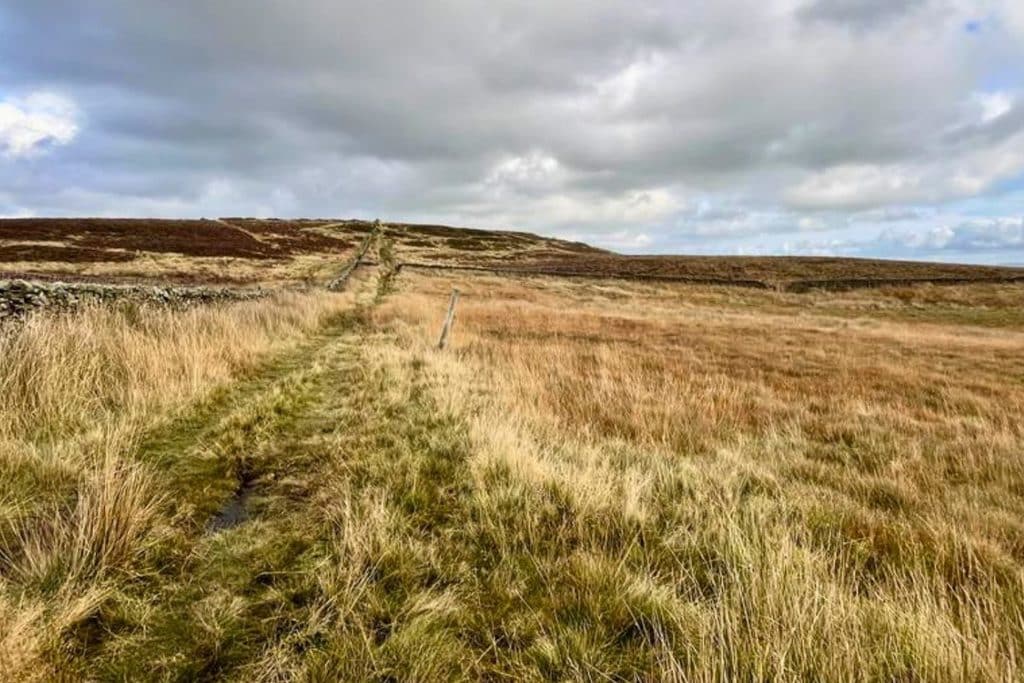
- Farm tracks and gateways.
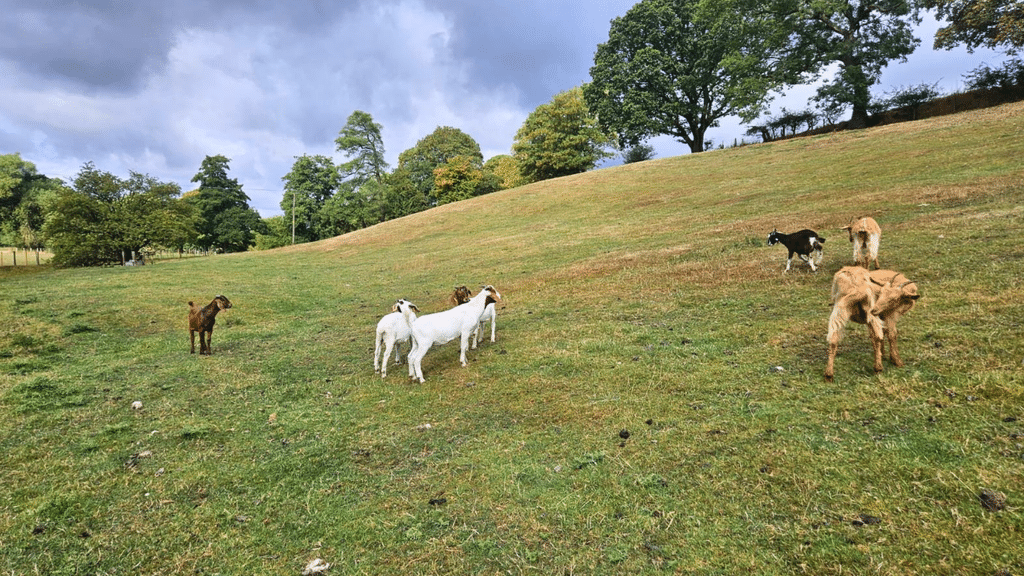
- Livestock access to watercourses.
- Drainage and surface water.
- Buffer strips and field margins.
- Opportunities to improve habitats for wildlife.
Many of these measures don’t just benefit the environment. They can also improve soil health, reduce wasted inputs and make day-to-day farm management easier.
Healthy soils, Balanced Nutrients, and healthy rivers
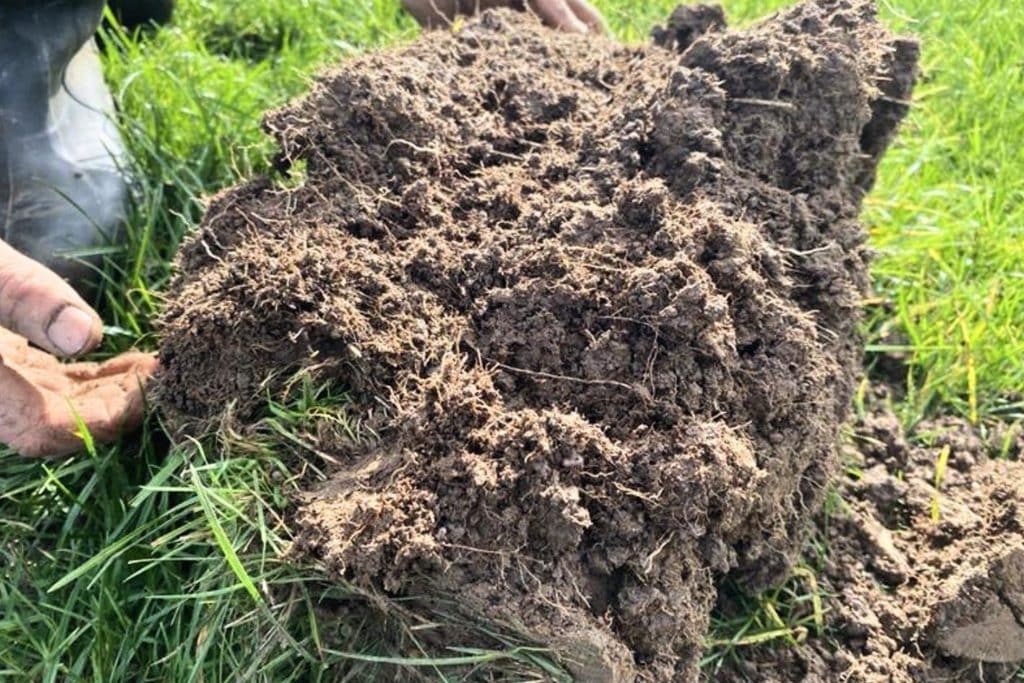
Good soil management is one of the biggest factors in protecting water quality. When soils are well structured, they absorb rainfall more effectively, reducing surface runoff and keeping valuable topsoil where it’s needed.
A Pinpoint visit may highlight opportunities such as reducing compaction, adjusting cultivation practices or introducing cover crops. These changes can improve crop performance while also reducing sediment entering nearby watercourses.
Additionally, fertilisers and organic manures are valuable resources- but only when they’re used efficiently.
Advisers can help identify ways to improve nutrient planning, make better use of soil testing and ensure applications are made at the right time and in the right place. Better nutrient management can reduce costs while lowering the risk of nutrients washing into rivers during wet weather.
Small changes, lasting Support
One of the key messages from Pinpoint is that improvements don’t always need to be expensive or complicated.
Simple measures such as fencing livestock away from streams, repairing damaged tracks, separating clean and dirty water or creating buffer strips can all help reduce pollution risks. Over time, these small changes can have a significant positive impact across an entire catchment.
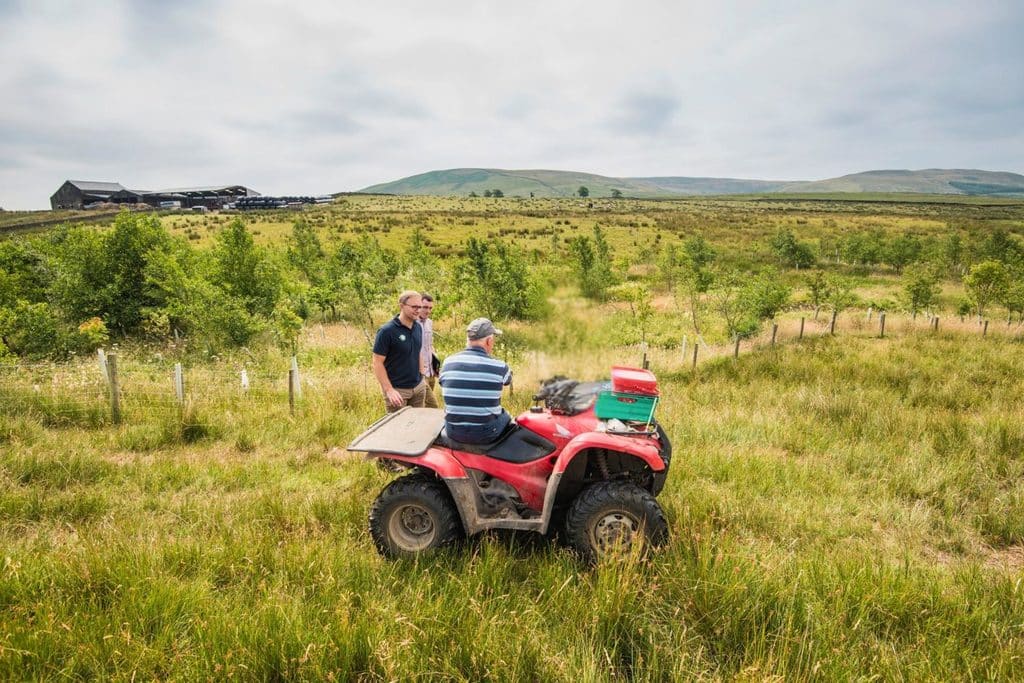
Plus, there is no one-size-fits-all solution. Instead, advisers work with farmers to identify improvements that are realistic, affordable and appropriate for the individual farm.
A wider benefit for everyone
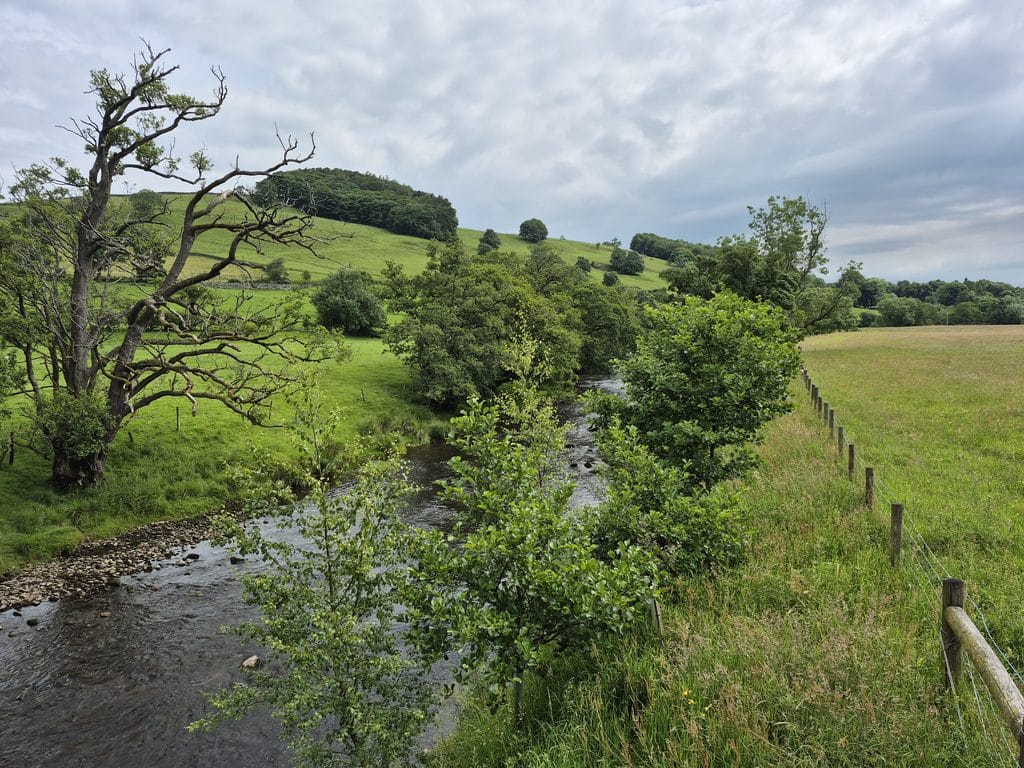
Protecting rivers benefits far more than wildlife. Cleaner water, healthier soils and more resilient farmland all contribute to stronger rural businesses and more sustainable food production.
By making practical improvements today, farmers are helping to protect the natural resources their businesses depend on for the future.
Whether it’s improving soil structure, managing nutrients more effectively or making small infrastructure changes, a Pinpoint visit offers an opportunity to step back, look at the farm as a whole and identify practical solutions that benefit both the farm business and the local environment.
Help us engage with communities Across the Catchment
Community engagement is key. Whether that’s local farmers, landowners, and project stakeholders or school pupils, youth groups, and community groups.
Everyone that lives, works, and explored the Ribble river catchment is an important part of its conservation. By working with people, we can inspire them to help improve our rivers: for wildlife and people.
Ready to support our community engagement? Donate today 👇