The Salmon Story: Why Atlantic Salmon Need Our Help
Every year, one of nature’s most remarkable journeys unfolds beneath the surface of our rivers.
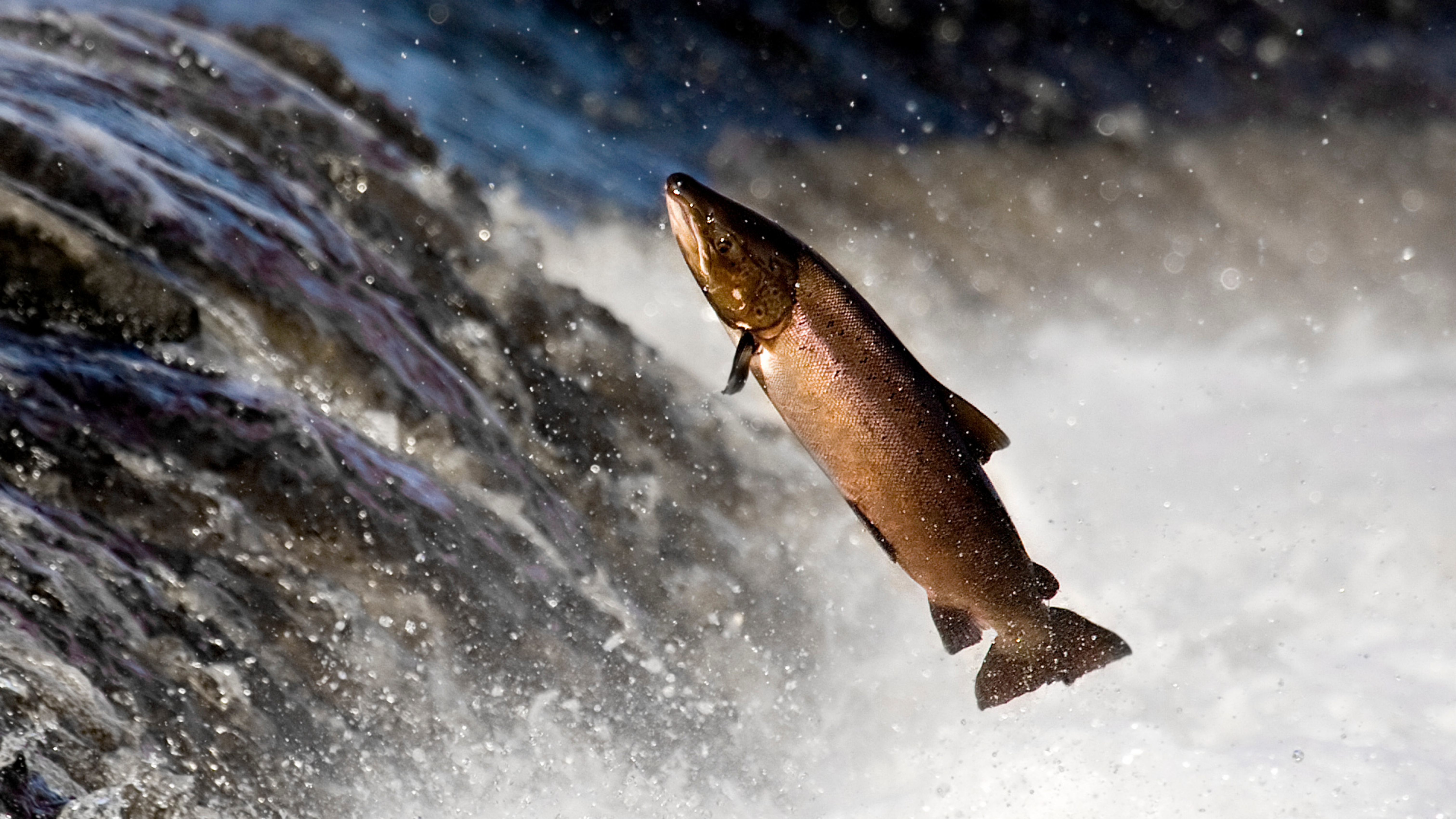
Born in cool, clear streams, young salmon begin life in freshwater before embarking on an epic migration to the North Atlantic. Years later, guided by an incredible instinct, they return to the very river where they were born to spawn and begin the cycle again.
This incredible traveller is the Atlantic salmon. A species that has long been a symbol of healthy rivers across the UK.
But today, salmon are facing unprecedented challenges.
Across the country, salmon numbers are declining dramatically, and rivers that once supported thriving populations now see far fewer fish returning each year. Understanding why this decline is happening, and why it matters, is the first step in helping salmon recover.
An Extraordinary Life Cycle
The life of a salmon begins in gravel nests known as redds, created by adult salmon in clean, fast-flowing rivers.
As they grow, they undergo a remarkable transformation that allows them to survive in saltwater. At this stage they migrate downstream and out to sea, often travelling thousands of kilometres across the North Atlantic.
After hatching, young salmon spend their early years growing in freshwater streams. During this time they depend on healthy habitats, clean water, and plenty of insect life for food.
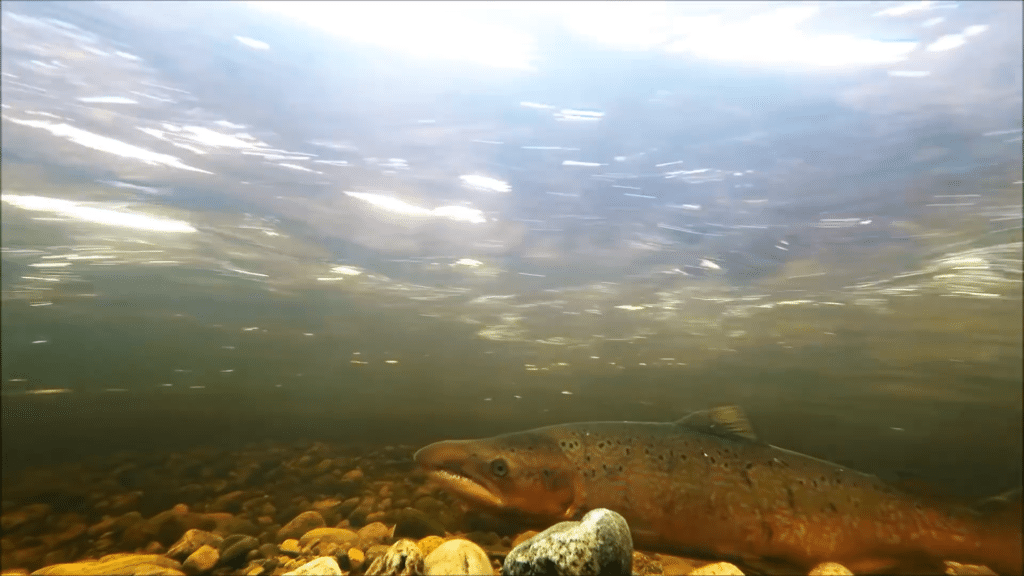
Years later, mature salmon return to their home rivers to spawn, navigating vast distances with amazing precision.
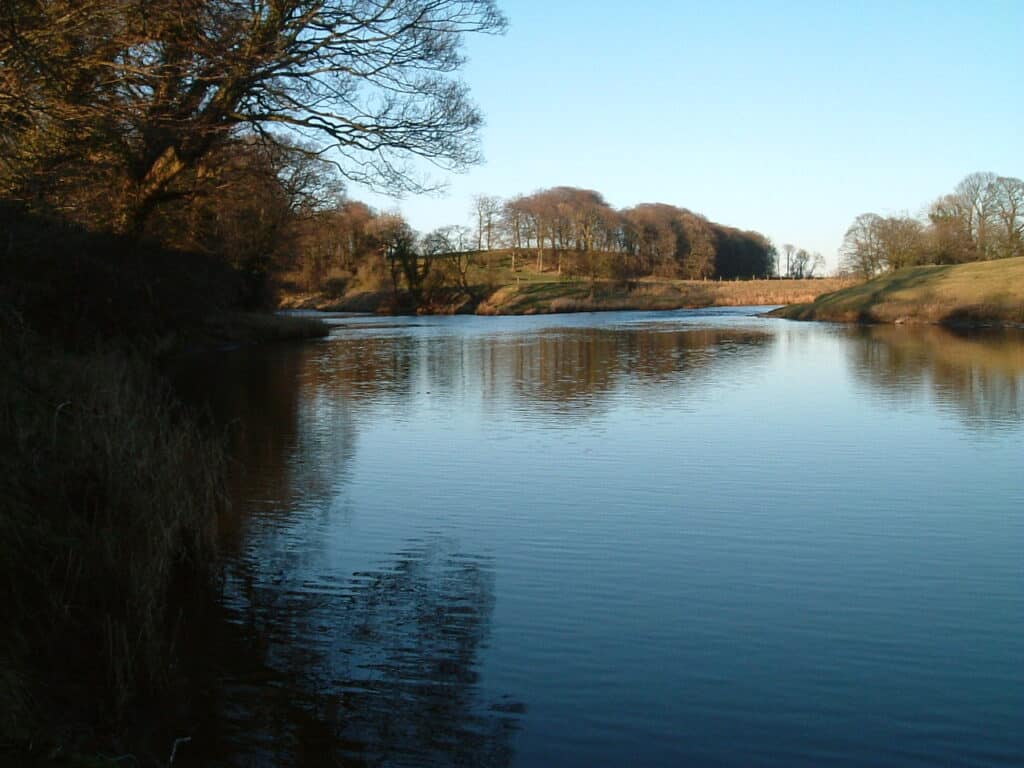
Rivers like the River Hodder are a vital part of this journey, providing the clean gravel beds and cool water that salmon need to reproduce successfully.
Why Are Salmon Declining?
Despite their amazing skills, salmon are under increasing pressure.
Across the UK, populations have been affected by a combination of challenges both in rivers and at sea. Pollution, habitat loss, barriers to migration, and warming waters all make it harder for salmon to survive and reproduce. Sadly, the Ribble Catchment is no exception.
Activities on land can also have a big impact. Soil erosion, poor water quality, and changes to natural river processes can damage the gravel habitats where salmon eggs develop.
Even small changes in river health can have major consequences for young fish trying to survive their earliest stages of life.
A Keystone Species
Salmon are often described as a keystone species because their presence tells us a lot about the health of a river.
Rivers that support salmon are usually clean, well-connected, and rich in biodiversity. These conditions also benefit countless other species, from aquatic insects to birds and mammals.
Healthy rivers also benefit people, helping regulate floods, filter water, and create beautiful landscapes for recreation and wellbeing.
When salmon decline, it is often a warning sign that something in the wider ecosystem needs attention.
Restoring Rivers for the Future
Salmon can recover when rivers are restored and given the space to function naturally. While there are many factors behind declining numbers of salmon, carefully planned projects can tackle several of these pressures at once, helping to rebuild the conditions salmon need to survive and thrive.
Across the Ribble catchment, our team work with communities, landowners, and partners to improve habitats and restore natural river processes.
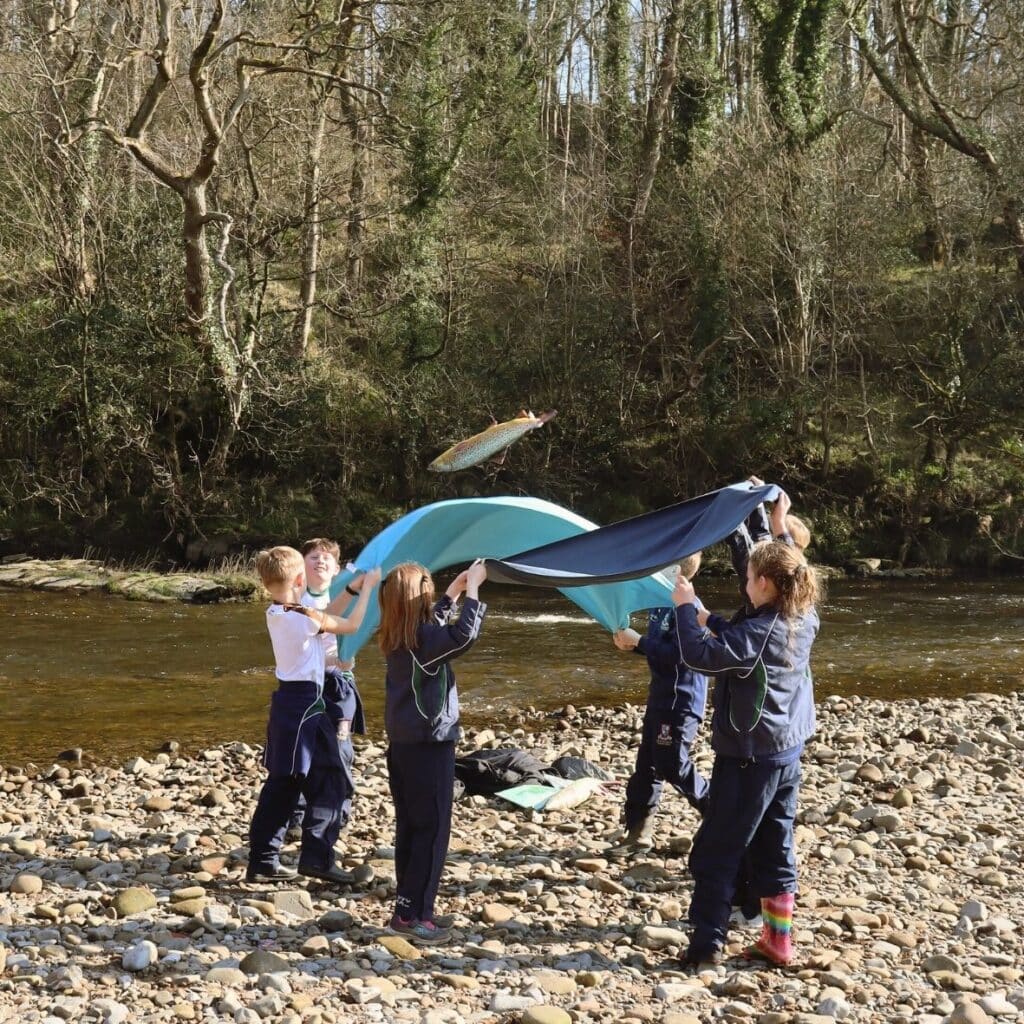
Our Hodder Together for Salmon campaign brings people together to support practical conservation work on the River Hodder and help create the conditions that Atlantic salmon need to return and thrive.
By restoring habitats and improving river health, we can help ensure these remarkable fish continue their journeys for generations to come.
How you can help
On World Water Day 2026, we launched the Hodder and NASF Together for Salmon campaign.
The beautiful River Hodder, flowing through the Forest of Bowland, has long been home to the incredible Atlantic salmon. But, like almost all of our rivers, salmon numbers are declining here too.
Thanks to The Hodder and NASF Together for Salmon campaign we’ll restore habitats, improve spawning streams, and work with local communities to care for the river long into the future.
Our goal is to raise £20,000 in five weeks, and every donation doubled thanks to the North Atlantic Salmon Fund.
Local businesses have also donated fantastic rewards, including treats and experiences from ICycle, Studio Bakery, Roefield Leisure Centre, Fitright Clitheroe, The Beer Shack, Fairham Gin, Brainstorm Games, and Cowgills of Clitheroe.
Every donation helps restore the river for salmon, wildlife, and future generations.
Donate today at crowdfunder.co.uk/hodder-together

Rivers are at the heart of our local landscapes. Whether you’re casting a line, exploring a riverside trail, or simply basking in the beauty of nature, you can help protect these special places now, and for generations to come.
By becoming a Ribble Rivers Trust supporter for just £3 a month, you’ll be funding real, on-the-ground action.
Ready to make a difference? Learn more here: ribbletrust.org.uk/become-a-supporter