Flea Treatments and River Health: An Overlooked Threat to Wildlife
Most pet owners use flea treatments for one simple reason: to keep their cats and dogs healthy. But growing evidence suggests that some of the chemicals used in common flea and tick treatments may be having unintended consequences for river health.
Scientists are increasingly concerned about the impact these products are having on rivers, wildlife, and the delicate ecosystems that depend on them.
Here at Ribble Rivers Trust, we love dogs just as much as we love fish and other freshwater life. But, for those of us who care about healthy rivers, it’s a reminder that pollution doesn’t always come from factories, farms, or sewage outfalls. Sometimes it can come from everyday products we use without a second thought.
How do flea treatments reach rivers?
Many popular “spot-on” flea and tick treatments contain insecticides such as fipronil and imidacloprid. These chemicals are designed to kill fleas and other parasites, often at very low concentrations.
After being applied to pets, the chemicals don’t simply disappear. They can wash off during bathing, swimming, or even through normal contact with bedding and household surfaces. From there, they can enter drains, wastewater systems, soils, and eventually rivers and streams.
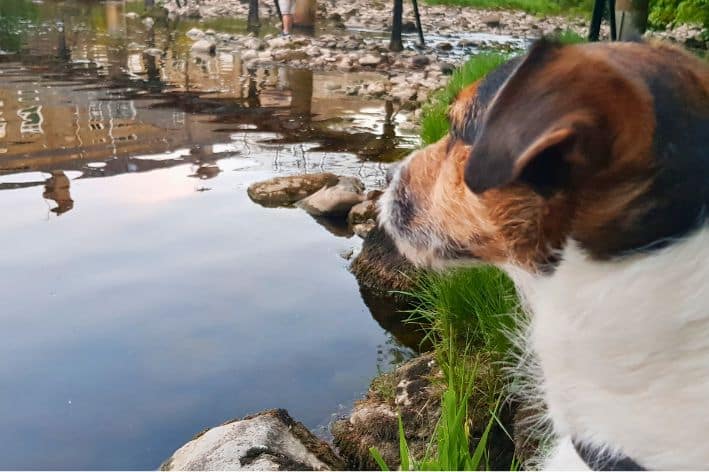
Recent studies have found both fipronil and imidacloprid in rivers across the UK, with researchers detecting the chemicals in almost half of samples taken from nine Welsh rivers. The Environment Agency has stated that even very small amounts can cause environmental harm.
Why are invertebrates at risk?
Rivers rely on healthy populations of aquatic invertebrates.
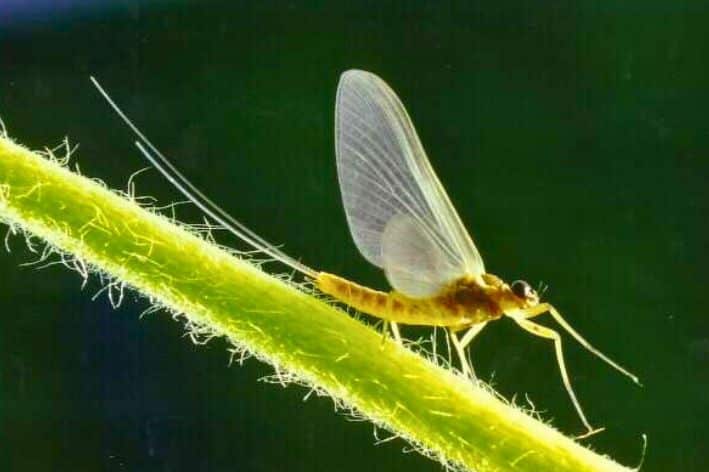
These tiny creatures, including mayflies, caddisflies, stoneflies, freshwater shrimp, and countless other species, form the foundation of freshwater ecosystems. They break down organic matter, recycle nutrients, and provide a vital food source for fish, birds, bats, and other wildlife.
The challenge is that flea treatment chemicals are specifically designed to kill invertebrates. Unfortunately, they often cannot distinguish between a flea on a dog and an insect living in a river.
Studies suggest that average concentrations of these chemicals in English rivers are high enough to reduce aquatic life, with some areas experiencing levels that could significantly affect freshwater ecosystems.
Healthy rivers depend on complex food webs. Remove one part, and the effects can be felt throughout the ecosystem.
What does this mean for fish?
Fish depend heavily on healthy invertebrate populations.
Young fish, including Atlantic salmon and brown trout fry, rely on aquatic insects as a primary food source. If invertebrate numbers fall, fish have less food available at the exact stage of life when rapid growth is most important.
The chemicals themselves can also be directly harmful. Fipronil and imidacloprid are already banned for many agricultural uses in the UK and EU because of their toxicity to fish, aquatic invertebrates, bees, and pollinators.
For rivers already facing pressures from habitat loss, barriers, climate change, and declining water quality, additional chemical pollution can further reduce their resilience.
This is why concerns about flea treatments and river health have attracted increasing attention from scientists, environmental groups, and parliamentary committees. Recent reports have called for tighter controls on the sale and use of some treatments, arguing that routine preventative application may not always be necessary.
What can pet owners do?
It’s important to remember that parasite control remains an important part of responsible pet ownership.
However, growing evidence suggests that a more targeted, risk-based approach may offer benefits for both pets and the environment. Veterinary professionals are increasingly discussing the need to tailor treatments to individual animals rather than relying on blanket monthly applications in every situation.
If you’re concerned, consider:
- Speaking to your vet about the most appropriate treatment plan for your pet
- Following product instructions carefully
- Avoiding unnecessary treatments where professional advice suggests they are not needed
- Preventing recently treated pets from entering watercourses and bathing them at home
- Learning more about how everyday products can affect the environment
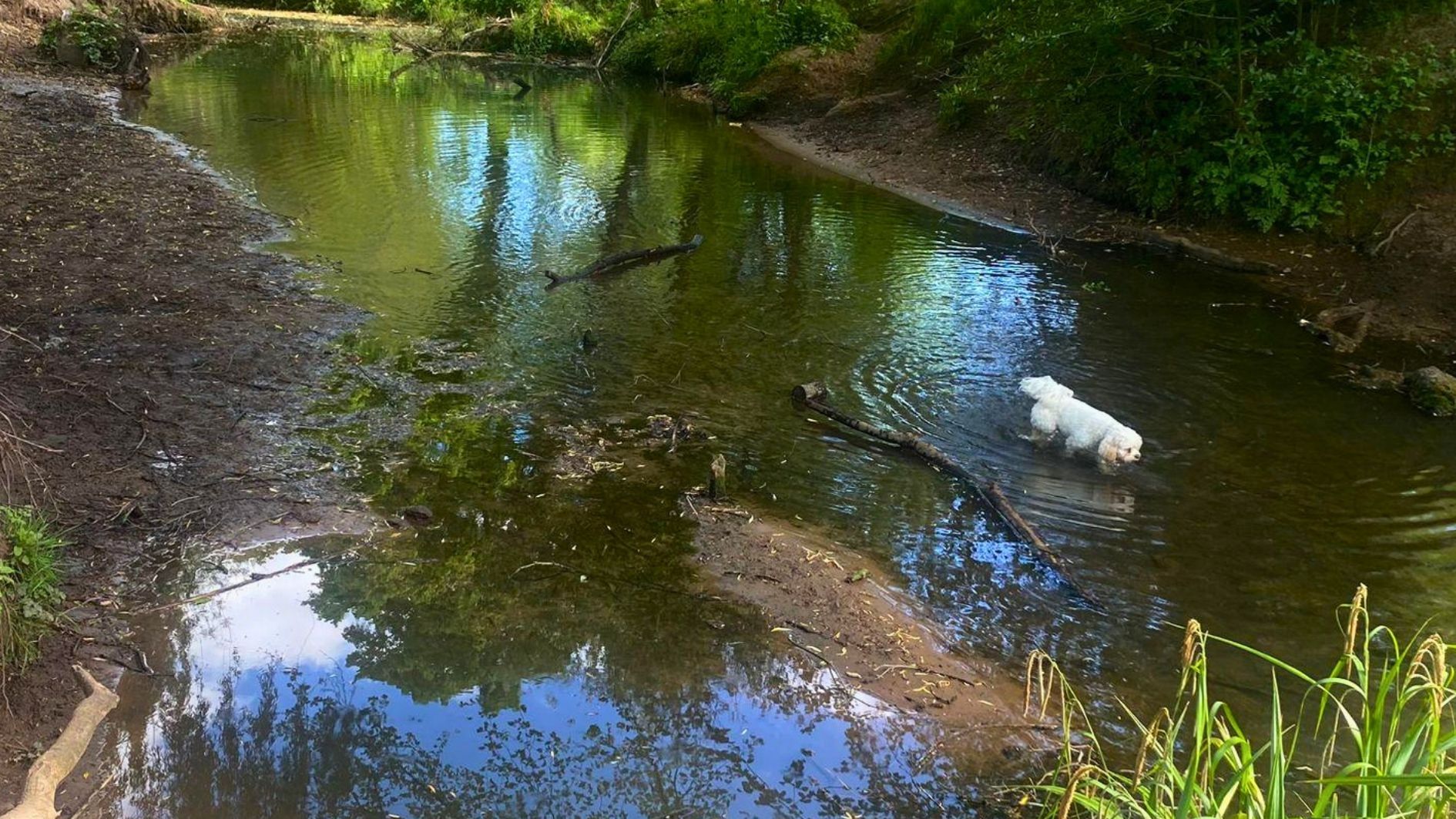
Dogs and rivers can Still get along!
Healthy rivers support fish, wildlife, and communities. Protecting them means understanding all the pressures they face, including some that might seem surprising.
Flea treatments play an important role in animal welfare, but as our understanding of their environmental impact grows, it’s clear that we need to strike the right balance between protecting our pets and protecting nature.
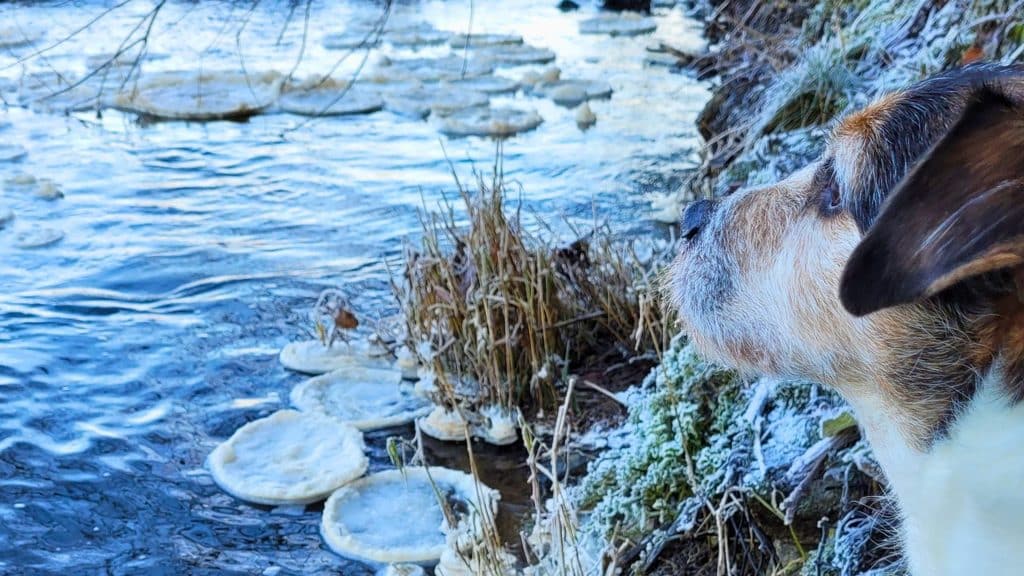
After all, the insects living in our rivers may be small, but they support entire ecosystems. And when invertebrates thrive, fish, birds, and rivers thrive too.
Help us Protect Rivers
Together with our citizen scientists, we’re monitoring invertebrate populations across the Ribble catchment. By recording the numbers and species diversity of these tiny creatures we can get an instant snapshot of river health. We can also compare results over time, so we can see which rivers are improving, and which need a little help.
You can support projects like this by making a one off or recurring donation.
Ready to make a difference? Make a donation today 👇