
PRESS RELEASE: Rare white-clawed crayfish given lifeline
Rare white-clawed crayfish given lifeline as recovery work begins across the North
Northern rivers will play a key role in a national project to save the native white-clawed crayfish from disappearing from our rivers and streams.
A major conservation effort is underway across the North of England to help save the UK’s only native freshwater crayfish from disappearing from rivers and streams.
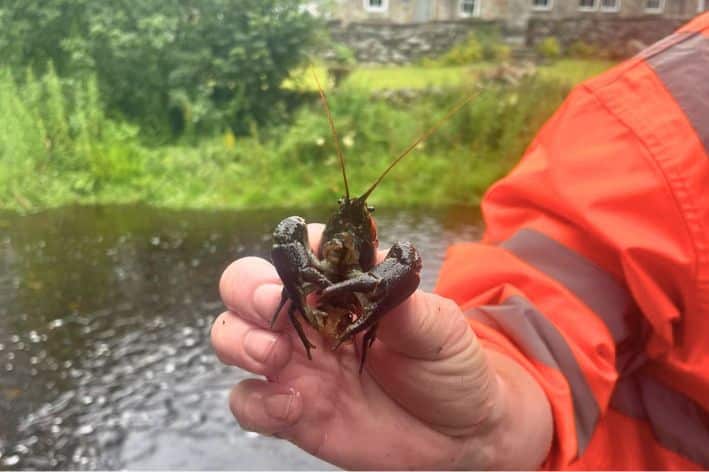
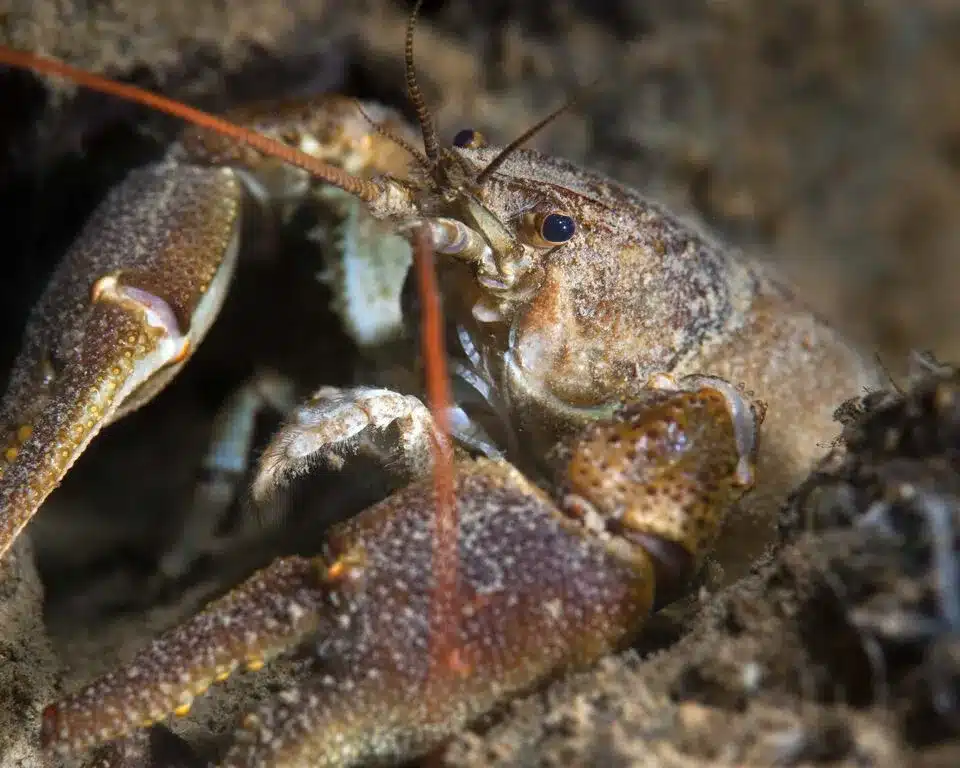
The white-clawed crayfish was once a familiar part of freshwater life across the country, quietly playing its role in healthy rivers. Today, it is globally endangered, with populations having fallen by an estimated 70–80% in recent decades. Its decline has been driven by pollution, habitat loss, disease and the spread of invasive non-native crayfish.
Crayfish Conservation in the North of England
Now, conservation organisations across the North will play an important role in its recovery.
Working from Lancashire and Teesside in the south to Cumbria and Northumberland in the North, organisations will collaborate as part of a national recovery programme to protect remaining populations of white-clawed crayfish.
Northern partners involved in the project include Eden Rivers Trust, Lune Rivers Trust, West Cumbria Rivers Trust, Ribble Rivers Trust, Tees Rivers Trust, South Cumbria Rivers Trust, Tyne Rivers Trust, The Wildfowl and Wetlands Trust (WWT) the Environment Agency (EA), and Natural England (NE).
Together, they will support vital conservation work across the region, with a focus on crayfish surveys, population monitoring and identifying potential “Ark sites”. These are safe refuge habitats where white-clawed crayfish can be protected from invasive species and crayfish plague.
The work forms part of a wider national recovery programme, led by The Wildlife Trusts and supported by Natural England’s Species Recovery Programme. The programme brings together around 40 organisations from across England in the largest coordinated effort yet to support the species.
What makes the White-clawed crayfish so special?
For many people, crayfish are a rare sight. But beneath the surface of our rivers, burns and streams, they are an important part of the natural balance. As the UK’s largest native aquatic invertebrate, white-clawed crayfish help recycle dead plant and animal matter, support water quality and provide food for other native wildlife, including otters, herons, eels, brown trout and salmon.
For the northern partners, the project is an important opportunity to combine local knowledge, practical conservation skills and scientific expertise across catchments. By working together, the organisations will be able to build a clearer picture of where white-clawed crayfish remain, where populations are most at risk, and where long-term refuge sites could help secure their future.
Stan Smith, head of nature and species recovery at The Wildlife Trusts, said:
“This programme represents a significant milestone for white-clawed crayfish conservation. For the first time, we have the opportunity to coordinate action at a truly national scale, bringing together the expertise of conservationists, scientists and practitioners from across England.
“Through a combination of targeted nature recovery efforts, breeding and reintroduction programmes, and innovative research, we can give this iconic native species a lifeline; together we’re creating the best possible chance for white-clawed crayfish to thrive in healthy English waterways once more.”
The programme will run until March 2029 and will support work to monitor surviving populations, understand catchment-scale threats and identify where conservation action can have the greatest impact. Nationally, the project will also support scientific research into crayfish genetics, disease resistance and long-term population resilience.
The project forms part of the Government’s Wild Again: Restoring England’s Wildlife initiative, delivered through Natural England’s Species Recovery Programme, which is supporting projects across England to help recover threatened native species and habitats.
The northern partners will share updates as survey, monitoring and Ark site work progresses.
Help us Protect our Iconic Wildlife
Species like the white-clawed crayfish are vital parts of freshwater ecosystems. But sadly, their numbers are declining.
But the good news is, we can help. From fighting back against the invasive non-native American signal crayfish and their restoring freshwater habitats to reducing the impact of climate change, floods, and droughts- we can provide the conditions that these species need to thrive.
You can support our work by making a one off or recurring donation.
Ready to make a difference? Make a donation today 👇